June 8 (Reuters) - Dozens of suspected global scam compounds in Cambodia are still in operation despite a months-long crackdown by authorities, Amnesty International said in a report on Monday.
Of 86 sites identified as scam centres, the government had intervened at only 24 locations, the U.K.-based human rights group said in the 176-page report.
“Many of those (interventions) were often reactive, ineffective or undermined by apparent collusion between compound managers and police, with survivors reporting being moved across the country mid-crackdown to evade authorities,” the report said.
The government in Phnom Penh rejected Amnesty’s findings.
“Cambodia does not accept the implication that it is failing to act against online scam operations,” Chhay Sinarith, the senior minister in charge of combating online scams, said in a statement, calling the report ”selective, one-sided, and lacking full understanding of the realities on the ground.”
The report ”ignores the scale and continuity of ongoing nationwide enforcement efforts, which include coordinated police operations, arrests, asset seizures, and the dismantling of criminal compounds across multiple provinces,” he added.
Southeast Asia has emerged as the epicentre of the global cyberfraud industry.
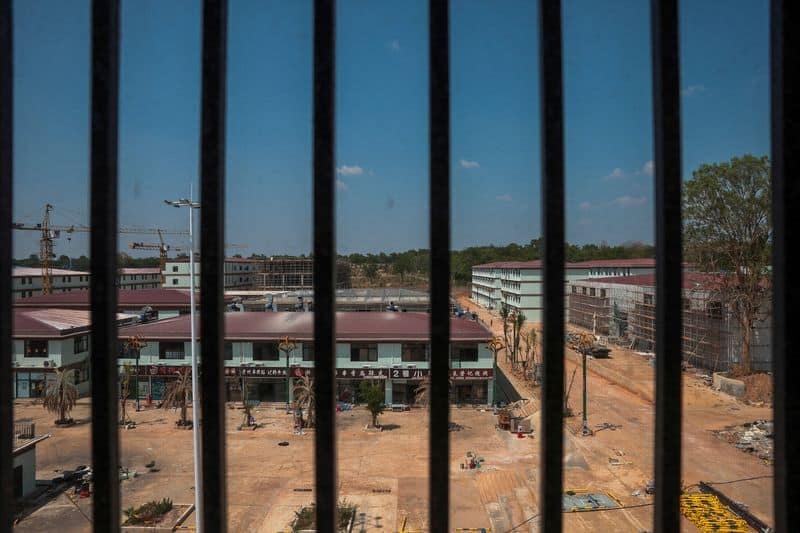
Compounds, which are mostly run by Chinese criminal gangs and house tens of thousands of workers, many trafficked and living under brutal conditions, have proliferated across Cambodia, Laos, the Philippines, and lawless areas along the Myanmar-Thai border since the pandemic.
Reuters has not independently confirmed all of Amnesty’s allegations or the government’s reports. Reuters journalists who have visited abandoned or seized scam centres in Cambodia and interviewed people involved found evidence of abuse and industrial-scale fraud that has fleeced billions of dollars from victims around the world.
Tackling the scam centres is difficult because the criminal networks are “transnational, highly adaptive, and deliberately designed to evade law enforcement,” the Cambodian government statement said.
FAILURE TO PROTECT TRAFFICKING VICTIMS
Phnom Penh and other countries have been pressured to crack down by foreign governments such as the United States, which estimates Americans lost $10 billion to Southeast Asian scam centres in 2024.
Amnesty International said its researchers interviewed 73 people who had been held against their will at the compounds, and all said they had experienced or witnessed abuse, including six women who described being raped.
The group also criticised authorities for treating people fleeing or being released from scam compounds as irregular migrants, rather than victims of human trafficking.
“Cambodia’s crackdown has failed in key areas, both in investigating and shuttering some of the most well-known compounds across the country and in protecting and assisting the victims who escaped or were removed from compounds,” the Amnesty report concluded.
Cambodia has revoked the licences of 25 casinos over suspected involvement in scams, with nearly 1,500 suspects from 19 countries charged, Chhay said in the government statement. Nearly 19,000 foreigners have been deported and some 290,000 have voluntarily left, he added.
(Reporting by Reuters staff; Writing by Josh Smith; Editing by Kate Mayberry)