By Ayose Naranjo
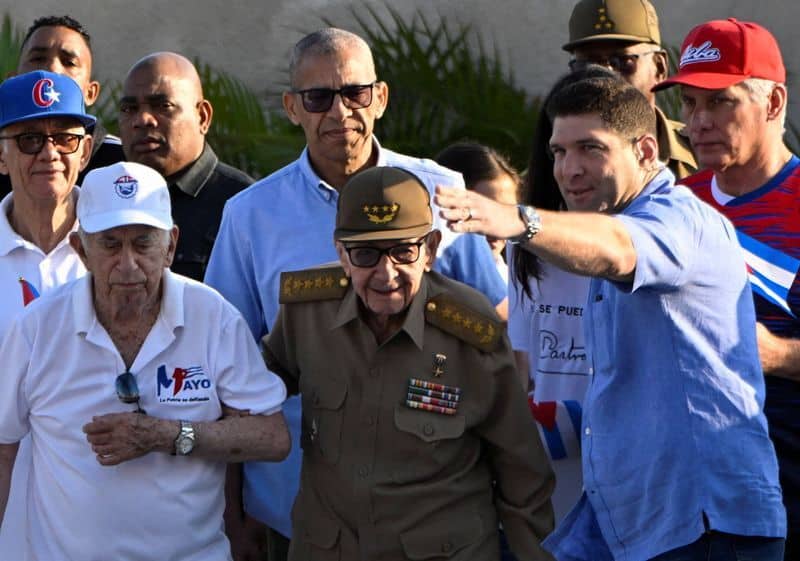
HAVANA, July 10 (Reuters) - Cuban Prime Minister Manuel Marrero Cruz said on Thursday night that there were no divisions within Cuba’s leadership, days after “USA Today” published an interview with the grandson of former Cuban leader Raul Castro in which he said he was open to negotiating with U.S. President Donald Trump.
Raul Guillermo Rodriguez Castro’s unusual offer of dialogue has sparked speculation of splits within Cuba’s power structure over how to engage with the U.S. The 42-year-old, known as “El Cangrejo,” holds no formal government office in Cuba.
Marrero rejected such speculation in his comments on social media on Thursday.
“Conversations have been held with representatives of the U.S. government aimed at seeking solutions, through dialogue, to bilateral differences,” he wrote.
“The working team formed for this strategic responsibility has the trust, support, and mandate of the Army General and of the First Secretary of the Communist Party Central Committee and President of the Republic Miguel Diaz-Canel.”
Senior Cuban foreign ministry officials have repeatedly stated that, although channels of communication remain open, no significant progress has been made in the bilateral relationship.
Relations flared earlier this week between the two countries at the United Nations, where Cuba’s Minister of Foreign Affairs, Bruno Rodríguez Parrilla, said the U.S. fuel embargo and economic sanctions amounted to a “systematic violation of the human rights of an entire people in an act of collective punishment.”
The vast majority of countries that spoke during the debate called on Washington to end the blockade and reverse the sanctions that have crippled the island’s economy.
U.S. Ambassador to the United Nations Michael Waltz, for his part, said that Cuba’s government was to blame for the electricity shortfalls.
(Reporting by Ayose Naranjo, writing by Laura Gottesdiener; Editing by Nia Williams)