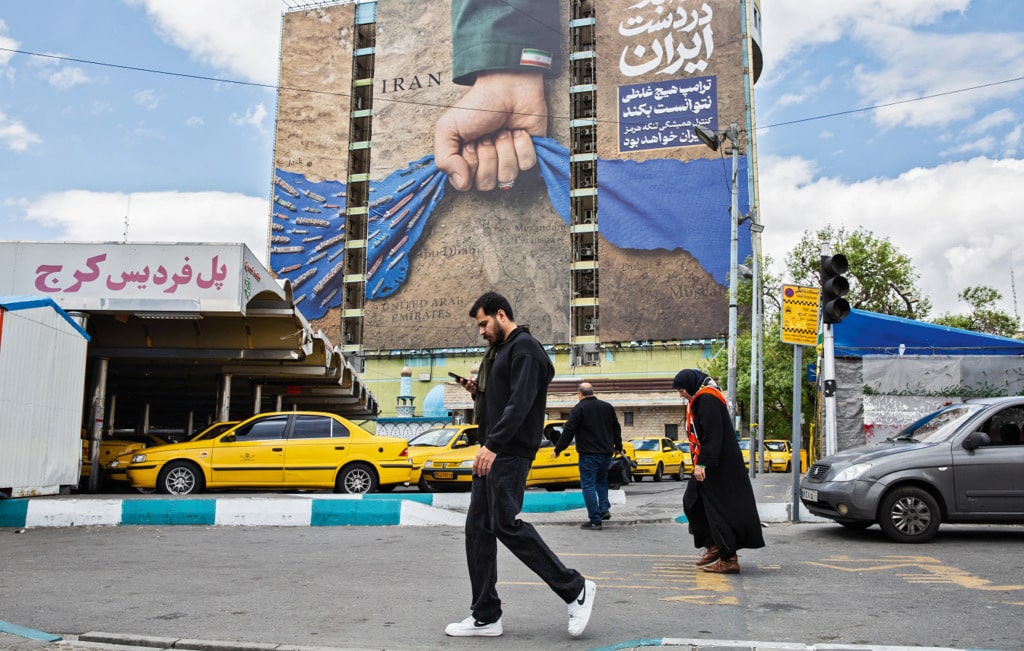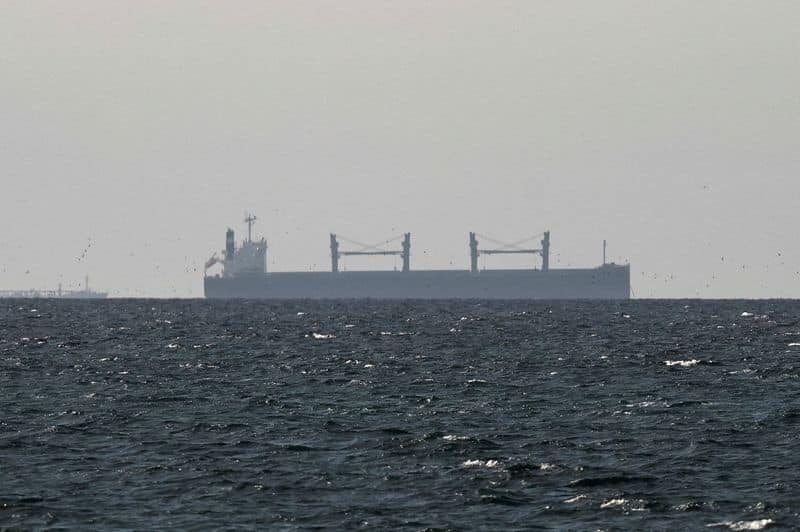
ATHENS, April 8 (Reuters) - Greek Prime Minister Kyriakos Mitsotakis said on Wednesday it would be unacceptable for ships to have to pay a fee to cross the Strait of Hormuz as Iran has suggested, and such a move would set a dangerous precedent for freedom of navigation.
The Iran war has threatened Gulf ports and disrupted global trade through the strait, a waterway through which a fifth of the world’s oil and liquefied natural gas normally passes.
Greece controls one of the largest merchant fleets globally in terms of cargo-carrying capacity.
Amid ceasefire talks with the U.S. and Israel, Tehran, which controls the chokepoint, has proposed fees or tolls on vessels to safely pass through the strait. U.S. President Donald Trump on Wednesday suggested the U.S. and Iran could collect tolls in a joint venture, while the White House said the priority was reopening the strait without limitations.
Mitsotakis said the strait always had freedom of navigation and that needs to continue.
“I don’t think that the international community would be ready to accept Iran setting up a toll booth for every ship that crosses the strait,” Mitsotakis told CNN. “That seems to me to be completely unacceptable.”
The centre-right leader added that a separate international agreement regarding the strait may be necessary.
“But this agreement cannot, I repeat, cannot include a sort of a fee that ships will have to pay every time they cross the strait. This was not the case before the war started and it cannot be the case after the war finishes,” he said.
“We would be setting a very, very dangerous precedent, if that were to happen, for the freedom of navigation.”
(Reporting by Renee MaltezouEditing by Rod Nickel)