By Johan Ahlander
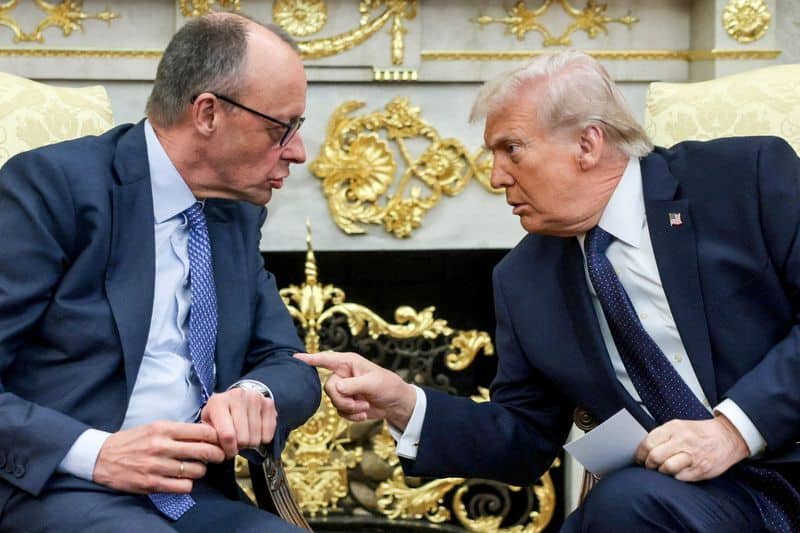
STOCKHOLM, May 9 (Reuters) - German Chancellor Friedrich Merz said on Saturday Europe wanted to work to keep the NATO alliance functioning, despite differences with the United States that the Iran war has exposed.
Tensions between U.S. President Donald Trump’s administration and European NATO partners have raised questions about the future of NATO.
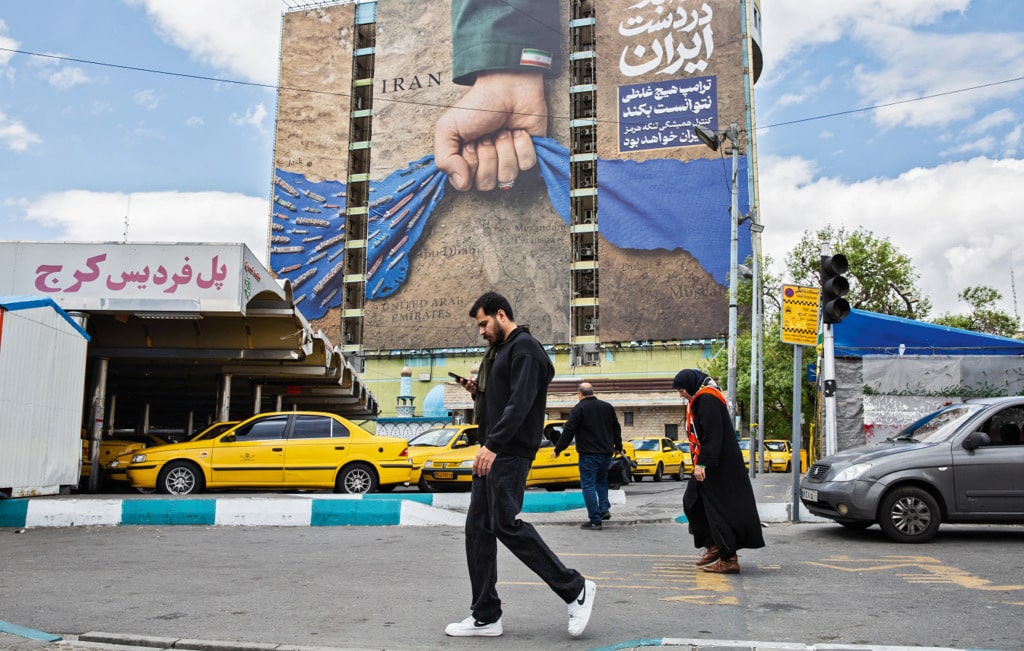
Already high after U.S. criticism of Europe over defence spending and issues like immigration policy, the tensions have increased after Germany and other European countries refused to support the U.S. and Israeli war against Iran that began at the end of February.
“We are really willing to keep this alliance alive for the future,” Merz said at a press conference with Swedish Prime Minister Ulf Kristersson. He also said Sweden and Finland had strengthened the European pillar of the alliance.
“We know that there are some differences. We know that we are seeing challenges, all of us, but our final goal is to bring this conflict to an end and to guarantee that Iran is not able to produce nuclear weapons,” Merz said.
“And this goal is a common goal between America and Europe.”
TRUMP HAS SINGLED OUT GERMANY
After Merz said last month Iran was “humiliating” the U.S., Trump hit back by ordering 5,000 U.S. troops to be withdrawn and cancelled the planned deployment of long-range Tomahawk missiles.
Merz said the main issue was not troop numbers but “unity of purpose” and that it was in the U.S. interest to have a strong European component of NATO.
“We are remaining interested and highly interested in having the American army and the American military support on our side,” he said. “So this is something we are having in common and we are trying to achieve that currently.”
After decades of neglect, European countries, including Germany, are spending billions to rebuild their militaries in the face of a perceived threat from Russia that Merz said in a speech earlier on Saturday posed an imminent danger to Europe.
Speaking as Russian President Vladimir Putin attended a parade in Moscow to mark the Soviet Union’s victory over Nazi Germany in World War Two, Merz said he was disappointed Slovakian Prime Minister Robert Fico had reportedly decided to attend the parade and that he would talk to Fico about “this day in Moscow”.
However, although Fico arrived to Moscow, he said he stayed away from the parade itself.
(Reporting by Johan Ahlander, writing by James Mackenzie; editing by Barbara Lewis)