By Sergiy Karazy
KYIV, July 7 (Reuters) - Kyiv resident Diana Bobrovska was so nervous about a new Russian air attack on her neighbourhood after a devastating strike on Monday that she spent a second night sheltering with her 2-year-old son.
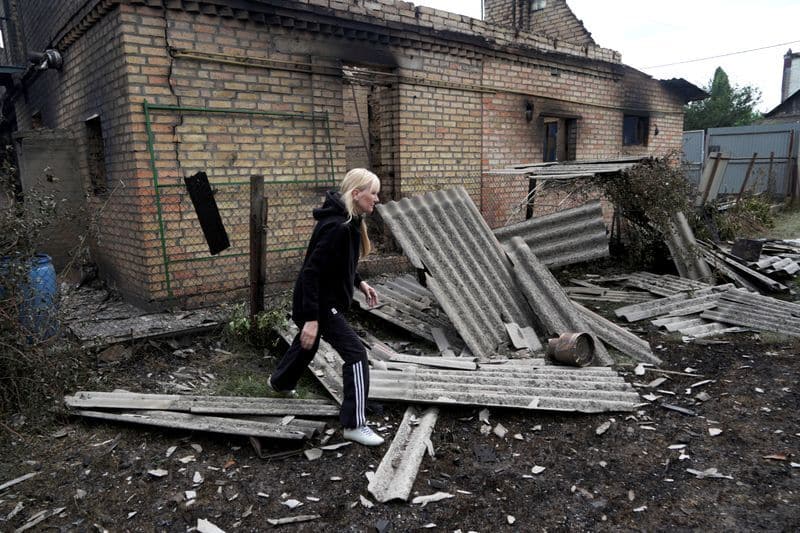
“Two nights without sleep is very difficult,” said the 31-year-old, standing near the wreckage of an apartment building torn open in the attack. “Plus the nerves – it’s all very bad, to be honest.”
Bobrovska and others at the site – where eight people were killed inside their homes – said they expected strikes to worsen as Russia exploits Ukraine’s critical shortage of U.S.-made interceptors.
Air defences were unable to down any of the 23 ballistic missiles launched by Russia during the overnight attack on Kyiv and the surrounding region, which killed 25 people.
Defence ministry adviser Serhii Beskrestnov said on local television that Ukraine had effectively run out of the Patriot missiles needed to intercept ballistic projectiles.
President Volodymyr Zelenskiy has repeatedly pleaded for allies to provide more Patriots – a question the Ukrainian leader will raise again at this week’s NATO summit in Turkey.
In July, air defences shot down just four out of 49 ballistic missiles fired by Russia, according to air force data.
Russia has stepped up its air war on Ukraine in recent months as its ground forces have stumbled on the battlefield and suffered from Ukrainian attacks on its military logistics and oil industry.
‘IT’S GOING TO GET WORSE’
Roman Starostyshyn, 47, lives a short walk away from the ruined building in Kyiv and recalled how on Monday he was woken by what sounded like the “smash of a hammer”, as a series of explosions rattled his home.
He said he may consider moving his family out of the city, despite being unable to work remotely, if the attacks intensify.
“It’s going to get worse before it gets better,” said Starostyshyn, a doctor. “I think the darkest time is before dawn, and maybe we’re still in for the darkest time.”
President Vladimir Putin has said he will press ahead with his war despite the mounting difficulties for Russia. Moscow has demanded that Kyiv cede the rest of its eastern Donetsk region that it has been unable to conquer in more than four years of fighting.
U.S. President Donald Trump, who has spoken with both Zelenskiy and Putin, said in Ankara on Tuesday he believed the war could be “settled, hopefully soon”.
Anastasia Rybak, a 32-year-old on maternity leave whose husband is serving, was defiant in what she described as a “Russian roulette” of attacks.
“You can leave for abroad, but for me that’s not an option,” she said. “Our country is our country.”
(Writing by Dan Peleschuk; Editing by Daniel Flynn and Barbara Lewis)