MOSCOW, April 24 (Reuters) - Russia said on Friday that it stood in solidarity with Cuba and would continue to provide humanitarian aid to the Communist‑run island republic, rejecting what it described as blackmail and threats from Washington.
U.S. President Donald Trump has said that he expects to have the honour of “taking Cuba”, though at the same time Washington has been calling for Havana to open up the economy and allow greater political freedoms.
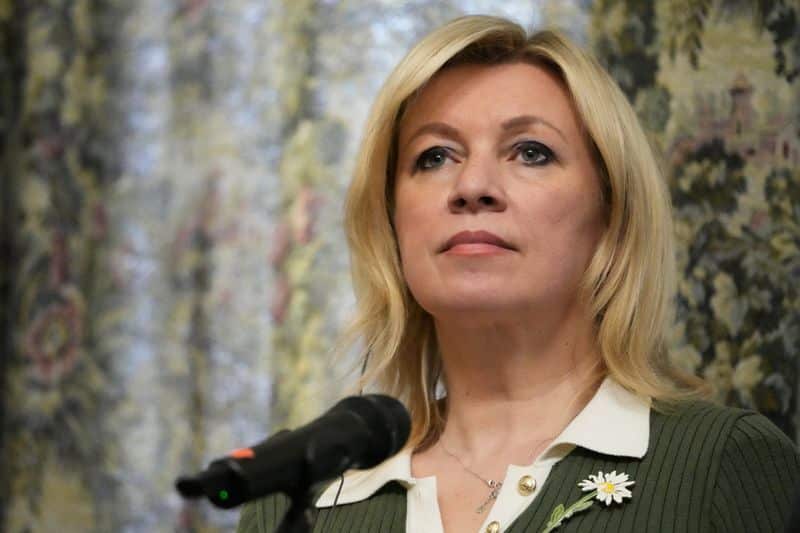
“Against the backdrop of the targeted and malicious escalation against Cuba, we reaffirm our solidarity with the Cuban government and the Cuban people,” Russian Foreign Ministry spokeswoman Maria Zakharova told reporters.
“We reject blackmail and threats in foreign policy, which also applies to Washington’s current demonstrative aggressive pressure on Havana with the aim of gross interference in Cuba’s internal affairs in order to break Cuban statehood.”
Cuba was a close ally of Moscow for decades, from the Communist revolution in 1959 that brought Fidel Castro to power until the 1991 collapse of the Soviet Union. More recently, Russia has supported the island with both financing and material goods.
“Russia and Cuba have a close historical relationship. We have always been on the side of Cuba in its struggle for independence, in its right to live by its own rules, develop on its own path and defend its own interests,” Zakharova said.
“We will continue to provide humanitarian assistance to Cuba during this difficult period of artificially fueled confrontation.”
The Russian-flagged Anatoly Kolodkin tanker offloaded some 700,000 barrels of Russian Urals crude in late March at Cuba’s Matanzas Bay, challenging a U.S. fuel blockade. The Trump administration said it allowed the delivery for “humanitarian” reasons.
(Reporting by Filipp Lebedev and Maxim Rodionov, Writing by Anna Peverieri and Guy Faulconbridge; Editing by Mark Trevelyan)