By Rajendra Jadhav
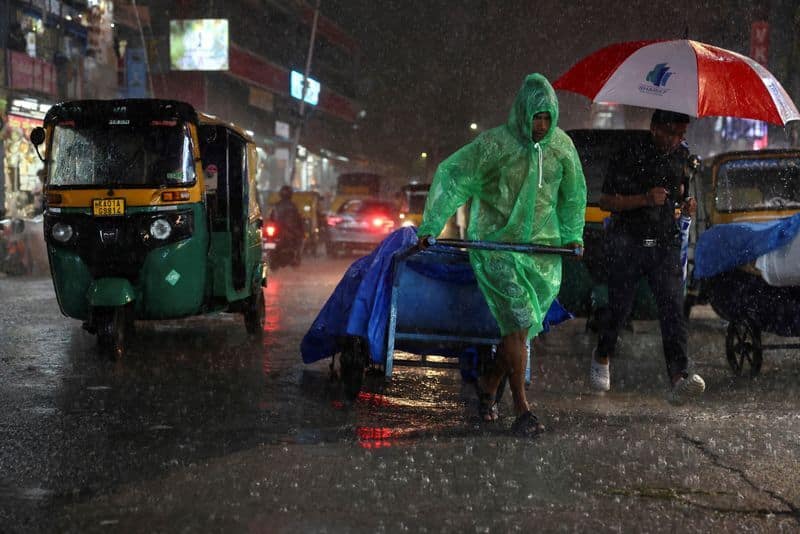
MUMBAI, June 11 (Reuters) - India is expected to receive below-average rainfall over the next two weeks, especially in central and northern regions, as “western disturbances” have slowed the progress of the annual monsoon, two senior weather bureau officials said on Thursday.
Western disturbances are weather systems from the Mediterranean Sea that bring rain and snow to north India and can occasionally disrupt monsoon progress.
The monsoon delivers about 70% of the country’s annual rains and replenishes crucial water sources in an economy where nearly half of farmland lacks irrigation and about half the population earns its livelihood from agriculture.
Lower rainfall in central and northern states could delay planting of summer-sown crops like rice, cotton, soybeans and pulses.
“Western disturbances have slowed the monsoon’s advance, and it could take a few more days before it moves into central India,” said a senior official with the India Meteorological Department.
The June-to-September monsoon usually begins to lash the southern state of Kerala around June 1 before covering the entire country by mid-July, but this year its onset over Kerala was delayed by three days.
The monsoon has so far covered Kerala, Tamil Nadu and most of Andhra Pradesh, as well as Karnataka and parts of southern Maharashtra, which are expected to receive good rainfall over the next fortnight, the official said.
However, central and northern regions are likely to receive significantly below-normal rainfall in the fortnight, the official said.
The monsoon is expected to gain momentum in the last week of June, when most states are likely to receive ample rainfall, another weather department official said. Both officials declined to be named as they were not authorised to speak to the media.
In the first 10 days of June, India received rainfall that was 26.5% below normal.
The weather department last month forecast that India is likely to receive 90% of the long-period average (LPA) rainfall during the four-month monsoon season, while rainfall in June is expected to be 92% of the LPA due to the emergence of El Nino.
“With most summer crop-sowing taking place in July, below-normal rainfall in June should not significantly affect planting, provided early July rains are adequate,” said a New Delhi-based dealer with a global trading house who was not authorised to speak to the media.
(Reporting by Rajendra Jadhav; Editing by Thomas Derpinghaus)