By Lili Bayer
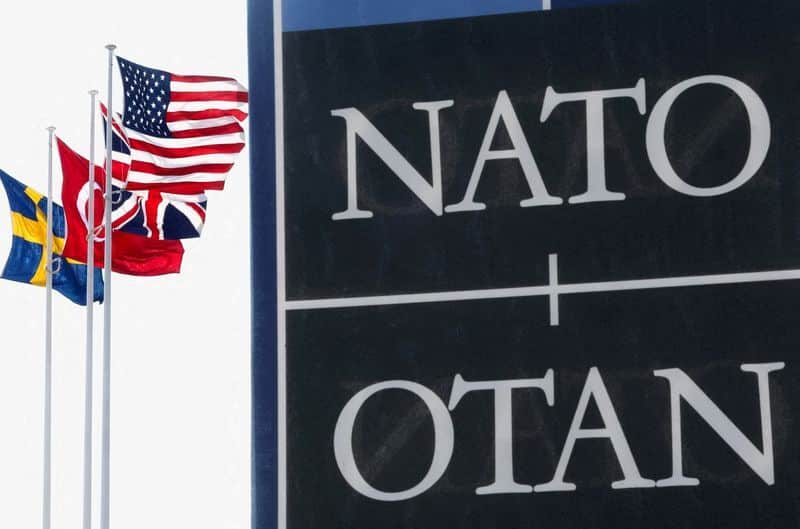
BRUSSELS, July 3 (Reuters) - NATO leaders gathering for a summit in Ankara on July 7-8 will discuss a host of challenges facing the alliance, from Europe taking on more responsibility for the continent’s security to boosting defence industrial production.
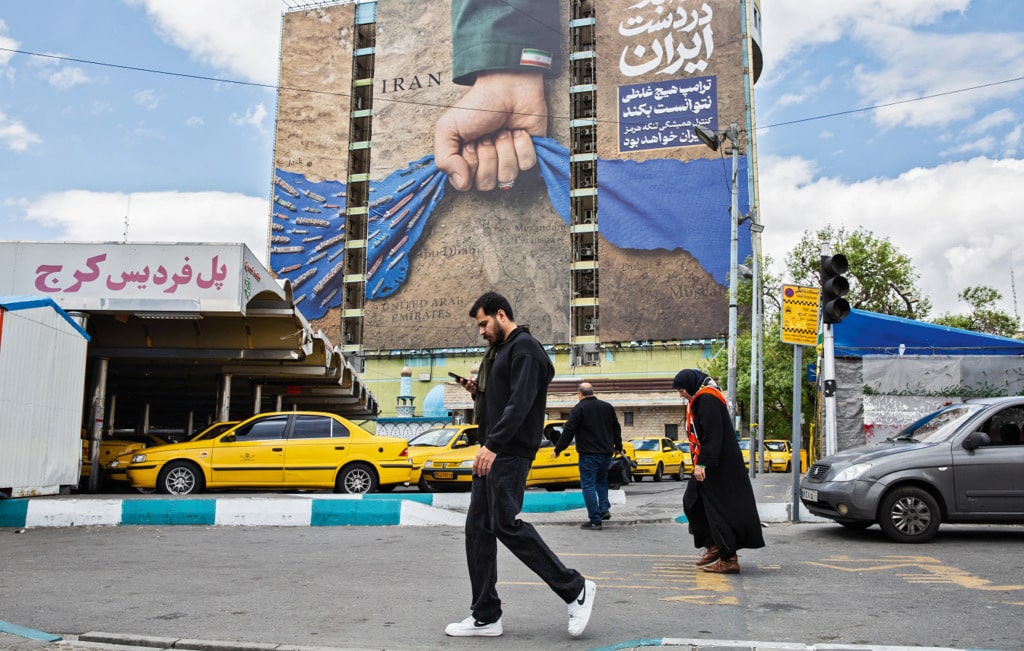
Some officials worry the Iran war could overshadow the gathering, but hope leaders will remain focused on the alliance’s core business: defence and deterrence.
Here is a look at the main challenges facing NATO in the months and years to come:
KEEPING TRUMP IN
NATO officials say one of their primary goals is to maintain unity and keep the U.S. committed to the alliance’s Article 5 clause, which specifies that an attack on one of its members is an attack on all.
The alliance faced two crises this year which have fuelled tension in the transatlantic relationship: U.S. President Donald Trump’s demands for ownership of Greenland, an autonomous territory of NATO-member Denmark, and his anger at NATO allies over their response to the Iran war.
The U.S. president branded the alliance a “paper tiger” and said he was considering withdrawing from NATO. The alliance’s Secretary-General, Mark Rutte, has sought to smooth over tensions, using a mix of flattery and data to persuade Trump that European NATO members are fulfilling their promises.
BURDEN-SHIFTING
The Trump administration has pushed European governments to take on primary responsibility for the conventional defence of Europe as Washington seeks to dedicate more resources to the Indo-Pacific.
Some changes are already under way: Washington has decided to shrink the pool of U.S. military capabilities available to NATO in a crisis, and European NATO members have filled almost all the gaps. U.S. Defense Secretary Pete Hegseth has also announced a new review of America’s troop deployments in Europe and threatened to withhold some U.S. dues to NATO if “free-riding” allies did not meet their defence spending commitments.
European officials say they are working to step up on defence. But some have also questioned the U.S. approach, arguing that a transition requires time and raising concern about the unpredictability of policy coming from Washington.
SPENDING MORE
European NATO members and Canada are under significant pressure to boost defence investment both to improve deterrence and defence against Russia and to demonstrate to Trump that they are taking his demands for burden-shifting seriously.
At a summit in the Hague last year, NATO leaders backed the big increase in defence spending that Trump demanded, pledging to spend 5% of GDP on defence and defence-related measures within a decade. Countries pledged to spend 3.5% of GDP on core defence — such as troops and weapons — and 1.5% on broader defence-related measures.
NATO’s European allies and Canada increased defence spending by 20% in 2025 compared with the previous year in real terms, according to alliance data. But not everyone is on a trajectory to meet the new goals, and a number of governments are starting to run into political difficulties with defence spending.
INDUSTRY
With European NATO countries boosting defence investment, a major challenge for the alliance is how to turn money into new military capabilities in a short timeframe.
In Ankara, NATO members are expected to announce tens of billions of dollars in new contracts. But some officials have expressed frustration that production has not increased at the pace they had hoped and that it still takes years to get some orders.
NATO’s leadership has called on industry to work together, open new production lines and deliver more quickly.
DETERRING RUSSIA
NATO leaders meeting in Ankara are expected to reiterate that Russia poses a long-term threat to Euro-Atlantic security.
While alliance officials say Russia is grappling with significant economic problems and Ukraine has strengthened its position, Rutte has cautioned that nearly half of Russia’s state budget is now dedicated to defence and that the alliance cannot be naive about Moscow.
UKRAINE
European NATO members are continuing to finance aid for Kyiv, more than four years since Russia’s full-scale invasion.
Money is channelled in various ways, including bilateral assistance, a European Union loan and the Prioritised Ukraine Requirements List initiative where European countries pay to supply Ukraine with U.S. weapons.
While most European leaders say they are committed to continuing to support Kyiv, sustaining a high level of funding remains a challenge amid other demands on national budgets and concern in some capitals that some European governments are contributing disproportionately more than others.
(Reporting by Lili Bayer, Andrew Gray and Sabine Siebold; Editing by William Maclean and Andrew Heavens)