By David Brunnstrom
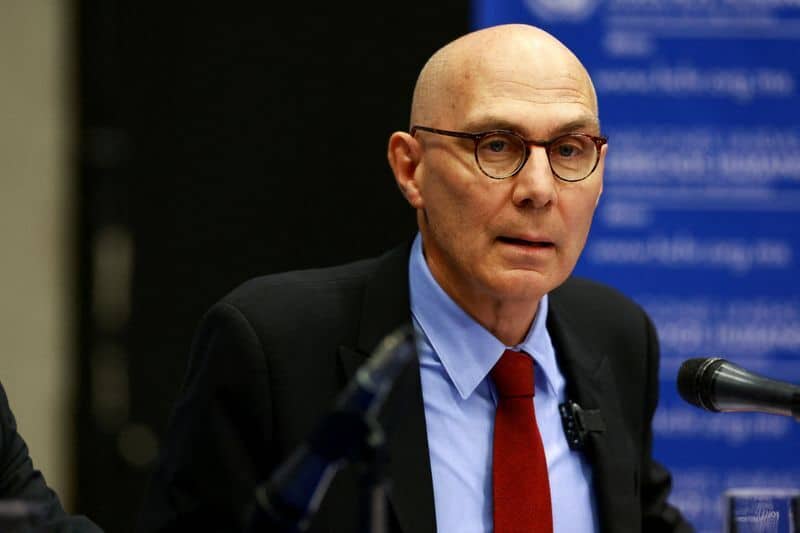
July 24 (Reuters) - The U.N. General Assembly on Friday voted overwhelmingly to extend the term of U.N. Human Rights chief Volker Turk for four more years, despite opposition from Russia and Israel and a U.S. threat to reassess its funding and engagement.
Turk, an outspoken critic of Russia’s war in Ukraine and Israel’s conduct in Gaza, who has also called for investigations into deaths in U.S. immigration custody, had drawn strong opposition from all three countries over his willingness to challenge major powers.
The vote highlighted a deepening confrontation between the Trump administration and the United Nations. Washington has cut funding for U.N. agencies and withdrawn from dozens of U.N. entities, and rights groups say the human rights post is more critical than ever as autocracies gain influence globally.
A large majority in the 193-member General Assembly earlier voted against a Russian counter-proposal to extend Turk’s term by just over two months to the end of 2026.
U.N. Secretary-General Antonio Guterres, who has worked closely with Turk in the past and steps down in December, proposed the second four-year term for Turk when his existing term expires in October.
The assembly backed Guterres’ proposal with 144 states in favor, 10 votes against and 13 abstentions.
The post, created in 1993, plays a critical role in speaking out against the erosion of freedoms around the world.
Louis Charbonneau, U.N. Director at Human Rights Watch, said “the attack on human rights around the world demands a U.N. high commissioner who will fearlessly resist efforts by powerful countries like China, Russia, and the U.S. to undermine and defund U.N. bodies that protect human rights.”
Turk, an Austrian lawyer who has worked for the United Nations for decades in major offices such as Geneva and field locations including Kosovo, will be the first human rights chief to serve two four-year terms.
DYSFUNCTIONAL
The United States had called for a postponement of the vote until next week for consultations and warned against approving Guterres’ proposal.
“A vote for Volker Turk’s reappointment proves right the U.N.’s fiercest critics that this body is dysfunctional,” Jeff Bartos, U.S. Representative for U.N. Management and Reform, told the assembly before the vote.
“Make no mistake, if this assembly tolerates procedural overreach, backroom deals, and the misuse of U.N. posts, there will be consequences. The United States will immediately reassess our engagement, participation, and funding,” he said.
The European Union gave its full backing to the four-year extension along with African and many Latin American states. China also voted in favor.
A U.S. State Department spokesperson earlier called the move to reappoint Turk a “process foul” and said it “is another example of the U.N.’s inherent corruption and incompetence by rushing this vote and preventing adequate debate and oversight by member countries.”
After the vote, Dmitry Chumakov, Russia’s deputy ambassador to the United Nations, accused Turk of bias and making unfounded allegations against Russia and said Guterres had brought “yet another apple of discord” to the General Assembly rather than a unifying issue.
Israel’s Foreign Ministry called Guterres’ proposal to retain Turk a “moral failure” on X and, like Russia, said the choice should be left to his successor.
(Reporting by David Brunnstrom; Editing by Nia Williams and Sanjeev Miglani)