By Emma Farge
GENEVA, April 2 (Reuters) - Emergency medical needs in Iran are rising exponentially, and stocks of trauma kits and other gear could run low if the war persists, the head of the International Federation of Red Cross and Red Crescent Societies delegation there said on Thursday.
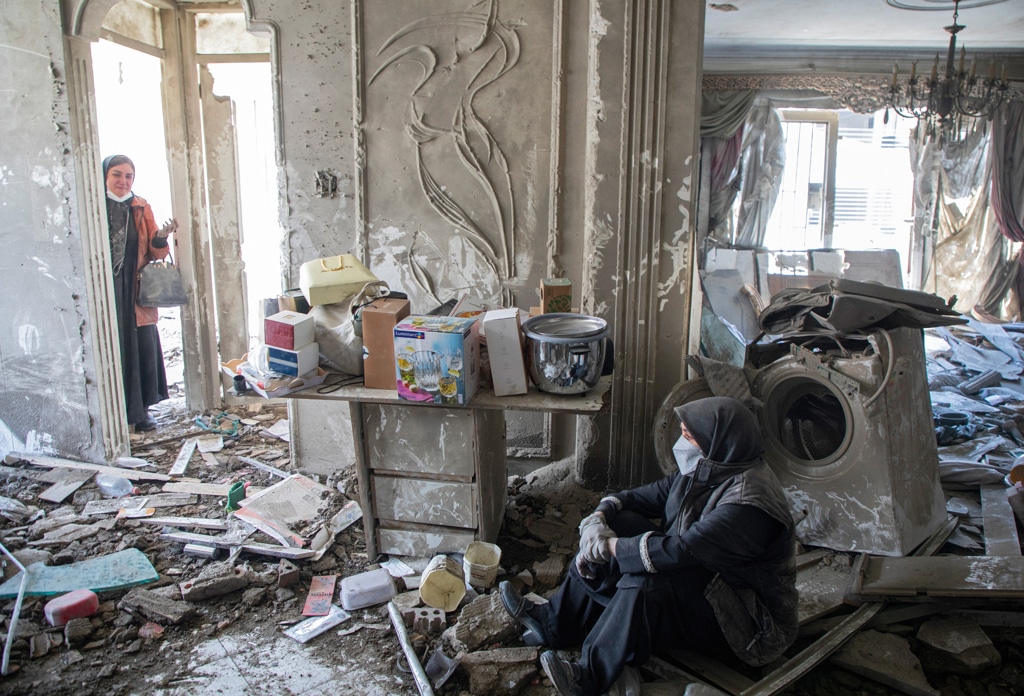
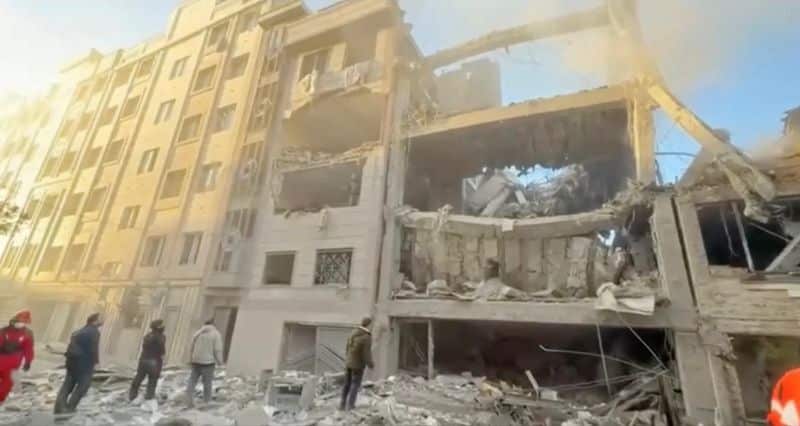
More than 1,900 people have been killed since the U.S.-Israeli airstrikes on Iran began on February 28, and more than 21,000 injured, according to the agency - the only humanitarian group working across the country. Other estimates are higher.
Maria Martinez told Reuters three of the agency’s own workers had died on duty, including one during an airstrike on March 31 that hit a medical clinic in Zanjan province. She did not attribute blame for the killings.
‘YOU CAN SENSE THE FEAR’
“Our concern is really how the humanitarian needs are escalating so rapidly and (over) our ability to bring all the support into the country,” Martinez said.
Hopes for a swift end to the conflict faded on Thursday after U.S. President Donald Trump vowed to conduct more aggressive strikes.
Washington has said its Iran strikes are being carried out with precision. Israel’s military has said it takes measures to mitigate harm against civilians during its operations.
Martinez said there were no shortages of emergency stocks for now, but the situation would worsen if the fighting continued, especially as the price of supplies went up and their insufficient funding ran low.
“The needs are exponentially increasing. Resources are not unlimited,” she said.
She was concerned that people’s fears of bombings would stop them from venturing out to seek aid.
“The streets are completely empty … You can sense the fear, you can sense the uncertainty in people’s eyes,” she said in a video interview from Tehran.
MORE INTERNATIONAL SUPPORT “IS ESSENTIAL”
The aid group says it has 100,000 responders across the country’s 31 provinces as well as helicopters and rescue dogs, and provides first aid for those injured by airstrikes and support for the displaced.
One IFRC rescue worker called to help clear rubble discovered his own family were among the dead buried there. Others take turns sleeping at the IFRC offices to be on standby in the case of bombings, she added.
Work was frequently disrupted and staff were transcribing documents by hand because of power and Internet cuts.
“We are in the middle of a meeting and the alarms are activated. We need to evacuate immediately and this happens three, four, six times per day,” she said.
The agency had been unable to import vital supplies from its Dubai warehouse for weeks amid a logistical quagmire exacerbated by Iran’s shutting down of the Strait of Hormuz in retaliation for U.S.-Israeli strikes.
It now aims to ship them overland from Turkey on April 7, IFRC supply chain director Cecile Terraz said, but it will take weeks.
The IFRC may have to raiaw its 40 million Swiss Franc ($50.05 million) emergency appeal even though it is currently only 6% funded, Martinez said. “Increasing international support is essential to protect civilians and sustain this emergency response operation.”
($1 = 0.7992 Swiss francs)
(Reporting by Emma Farge)