By Marwa Rashad and Ahmed Rasheed
LONDON/BAGHDAD, May 12 (Reuters) - Both Iraq and Pakistan have cut deals with Iran to ship oil and liquefied natural gas from the Gulf, according to five sources with knowledge of the matter, in a demonstration of Tehran’s ability to control energy flows through the Strait of Hormuz.
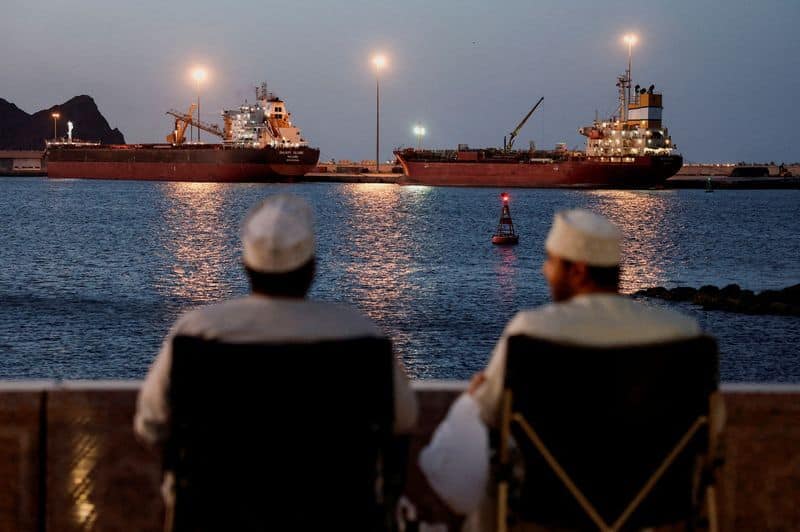
The U.S.-Israeli war with Iran has slashed energy exports from a region that normally supplies 20% of the world’s crude oil and LNG. The U.S. has blockaded Iranian ports in recent weeks. And though Iran initially sought to halt traffic through the strait, that stance is now changing, said Claudio Steuer of the Oxford Institute for Energy Studies.
“Iran has shifted from blocking Hormuz to controlling access to it … Hormuz is no longer a neutral transit route, it is a controlled corridor,” he said.
With most of its crude exports typically shipped through the strait, Iraq was among the producers worst-affected by its closure, while Pakistan, which has sought to mediate in the conflict, depends heavily on Gulf energy imports and has faced surging fuel costs.
In a deal between Baghdad and Tehran that has not been previously reported, Iraq secured safe passage for two very large crude carriers, each carrying about 2 million barrels of crude, that passed through the strait on Sunday.
Iraq is now working to secure Iran’s approval for more transits, an Iraqi oil ministry official familiar with the initial deal and current talks told Reuters, as the government seeks to safeguard the oil revenues that make up 95% of its budget.
“Iraq is a close ally of Iran, and any deterioration in Iraq’s economy would also damage Iran’s economic interests in the country,” the official said.
A second Iraqi oil ministry official and a shipping industry source also confirmed the talks with Tehran. All of the sources asked not to be named as they were not authorised to speak on the matter.
An Iraqi government spokesperson did not immediately respond to a Reuters request for comment.
QATARI LNG FOR PAKISTAN
Similarly, two tankers loaded with Qatari LNG are headed to Pakistan following a separate bilateral agreement between Islamabad and Tehran, two industry sources with knowledge of the matter told Reuters, also asking not to be named as they were not permitted to speak with media.
Pakistan received roughly 10 LNG cargoes a month before the war and now must meet high summer electricity demand for cooling.
Neither Iraq nor Pakistan has made direct payments to Iran or its Islamic Revolutionary Guard Corps (IRGC) in relation to the transits, the sources said.
Qatar was not directly involved in the bilateral deals, the two industry sources said, but it informed the United States ahead of the shipments to Pakistan.
Pakistan’s petroleum and information ministries did not immediately respond to requests for comment. Neither did Qatar’s foreign ministry.
IRAN TIGHTENS ITS GRIP
Other countries are exploring similar deals, according to sources familiar with the discussions, as rising energy costs and supply disruptions weigh heavily, particularly on Asian economies.
“As more governments become willing to cut deals with Iran for passage, it risks normalising the idea that Iran will control the Strait of Hormuz on a more permanent basis,” said Saul Kavonic, head of research at consultancy MST Marquee.
Before the war, about 3,000 vessels passed through Hormuz each month. Traffic is now around 5% of that level, according to shipping data.
The disruption has sent Brent crude surging by more than 50% since the outbreak of the conflict at the end of February. LNG prices in Europe and Asia have jumped by roughly 35% to 50%.
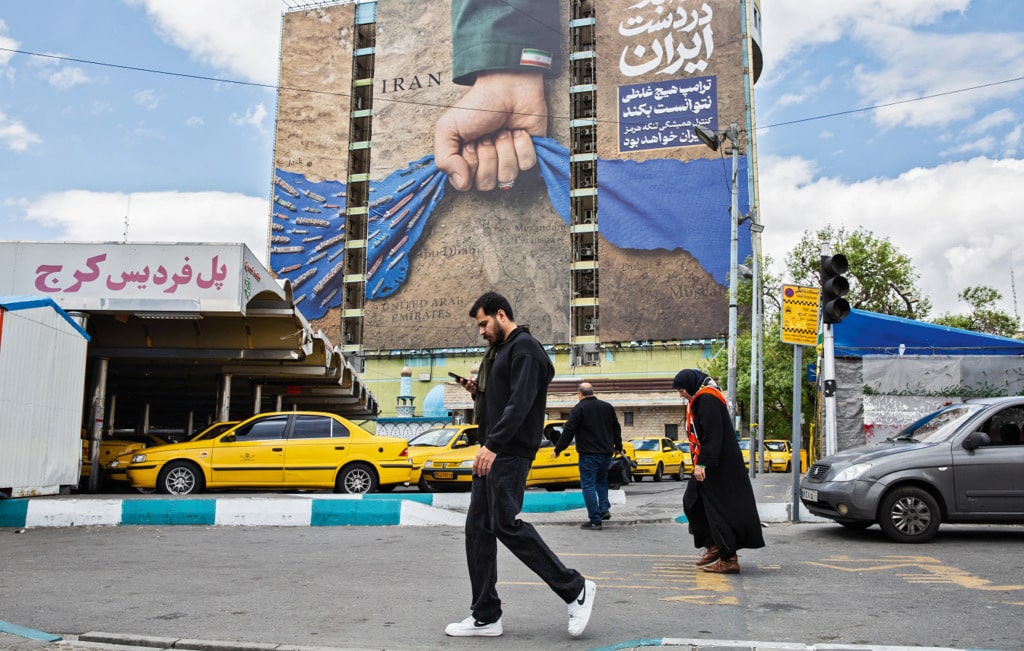
Iran says it wants to retain control over the strait after the war. It has demanded reparations, sanctions relief and access to frozen assets as part of any settlement, conditions U.S. President Donald Trump described as “garbage”, dashing hopes of a deal to end the conflict.
In the meantime, Iran is formalising its control over the strait, industry sources said. And it has asked Iraq to submit documentation for each tanker to facilitate transit via designated maritime routes under the supervision of its naval forces, one of the Iraqi oil ministry officials said.
Specialised teams at the Iraqi oil ministry are providing Iranian authorities with detailed information on individual vessels, including destination, shipping details, ownership and cargo specifications, to help avoid incidents.
A Pakistani source aware of negotiations with Iran over the passage of vessels said there had been some hiccups with the process.
“The IRGC sometimes changes the goalposts, so it is hard to keep things on track, but we are working through it,” he said.
(Reporting by Marwa Rashad in London and Ahmed Rasheed in Baghdad; Additional reporting by Jonathan Saul and Ahmad Ghaddar in London, Ariba Shahid in Karachi and Andrew Mills in Doha; Editing by Joe Bavier)