By Elida Moreno and Marianna Parraga
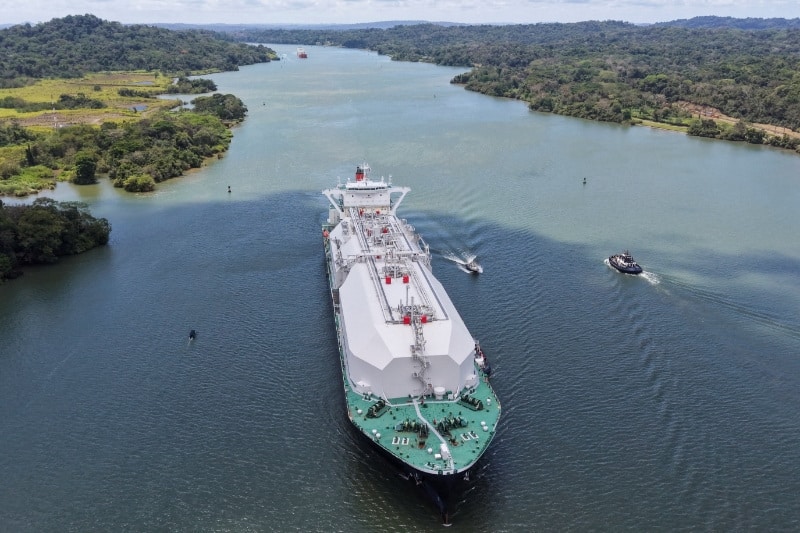
PANAMA CITY, May 15 (Reuters) - The Panama Canal is not planning vessel passage restrictions for the remainder of 2026 even if an El Niño weather pattern begins in the second half of the year as predicted, potentially leading to another drought in the Central American country, the waterway told Reuters.
The canal linking the Pacific and Atlantic oceans is currently allowing 38 ships to pass through each day and has seen demand increase in recent months mainly due to the U.S.-Israeli war on Iran, which is affecting the use of other corridors like the Suez Canal.
The El Niño climate pattern, which occurs every two to seven years, leads to warm ocean surface temperatures in the central and eastern equatorial Pacific, which typically means wetter, colder winters in portions of the U.S. and rainfall reduction in Central America, leading to droughts.
In the last El Niño, between 2023 and 2024, Panama - usually one of the world’s rainiest countries - was hit with a severe drought that forced restrictions on passage through the canal and triggered long waiting times for vessels.
In a report this week, the U.S. National Weather Service said El Niño is likely to emerge between May and July and continue in the Northern Hemisphere between late 2026 and early 2027.
The freshwater-operated Canal has been taking water conservation measures since 2025 ahead of the next El Niño, its authority told Reuters late on Thursday in reply to a request for comment.
“The levels of the Gatun reservoir have been kept historically high,” it said.
The canal’s authority is closely monitoring weather predictions at the beginning of the rainy season since early May to help it plan measures for next year, it said.
(Reporting by Elida Moreno and Marianna Parraga; Editing by Iñigo Alexander and Hugh Lawson)