By Munsif Vengattil and Aditya Kalra
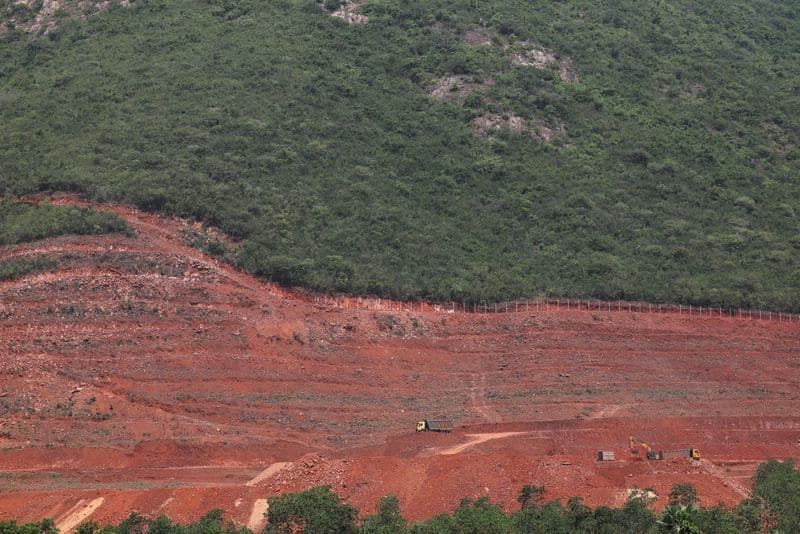
VISAKHAPATNAM, India Aug 6 (Reuters) - Work to build Google’s planned Indian data centre hub is in full swing, with a hillside above the site stripped to red earth and terraced into steps, but mounting opposition from environmentalists is creating hurdles for the U.S. tech giant’s $15 billion project.
The southern state of Andhra Pradesh, governed by an ally of Prime Minister Narendra Modi who has hailed the project as historic and transformational, has denied allegations that the project was fast-tracked without weighing risks to water supplies and wildlife.
But the growing opposition could become an early test for Google’s biggest-ever India investment, which is facing several legal challenges over its impact on water supplies and proximity to a wildlife sanctuary that is home to leopards and pangolins.
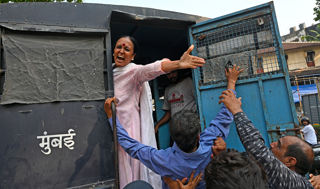
In recent weeks, activists and children have marched in Visakhapatnam city, holding banners saying “We cannot drink DATA” and painting handcuffs on the Google logo, social media posts show.
On Sunday, Reuters attended a public gathering where activists chalked out plans for holding door-to-door awareness campaigns and beach protests in coming days.
“Development should not be at the cost of livelihood of the people,” Raja Rama Mohan Roy, founder of non-profit Green Visakha said at the event where he presented statistics on Visakhapatnam’s stressed water supply and demand.
The government says the city receives 410 million litres of water a day from its reservoirs and rivers, against a requirement of 480 million. Rationing of water supplies is common in the city with a population of 2.5 million people.
Rapid data centre buildouts are facing pushback around the world for using huge quantities of water to cool servers and of electricity. The potential impact is even more pronounced in a developing nation like India. In the U.S., opponents held 142 protests across 42 states in July raising similar concerns.
STATE DEFENDS, OPEN TO REDRESSAL
The state’s top court on Monday asked the government to defend against allegations levelled by activist group Jal Biradari (Water Community), which says the project will strain water availability by putting stress on a nearby reservoir.
The Andhra Pradesh High Court will next hear the public interest litigation on August 24.
The state in its statement to Reuters called activists’ concerns about the project incorrect and misleading, but added it is open to feedback.
“Such protests are their democratic right. In case any of these claims are legitimate, government is committed to engage and provide factual clarifications and suitable redressal,” it said.
Google in a statement to Reuters said its project will be developed in line with applicable laws and it will implement “advanced air cooling to protect vital local water resources”.
Work was well underway when Reuters visited on Monday, earthmovers still working the exposed ground.
The tech giant has partnered with Indian billionaire Gautam Adani’s group which will build the marquee project which is seen creating up to 188,000 jobs. Adani did not respond to queries.
WILDLIFE AND NOISE POLLUTION
The public interest litigation in Andhra Pradesh High Court also raises concerns that heavy construction and noise impact the Kambalakonda Wildlife Sanctuary located just 860 metres away.
Asked about the site’s proximity to the sanctuary, the state said it was farther away than the law requires. Google added it will be implementing sound-dampening measures to ensure “we are a quiet, unobtrusive neighbour.”
The project also faces three more cases filed at India’s environmental court by the Human Rights Forum, demanding a halt. They argue the state cleared the project without properly assessing the impact of drawing supply from a rural drinking-water scheme, court documents show.
The state added that no water for rural or residential purposes will be used for the upcoming data centres, and the water reservoir nearby will also not be used.
During the Sunday event, Green Visakha said it was concerned about the government’s promise of “guaranteed” water supplies for 20 years to the project as the city already faces shortages.
“Who will be the sufferers? The people,” said Roy.
(Reporting by Munsif Vengattil and Aditya Kalra; Editing by Saad Sayeed)