By Felix Light and Mariya Gordeyeva
ALMATY, Aug 20 (Reuters) - Kazakhstan votes on Sunday in a snap parliamentary election expected to strengthen President Kassym-Jomart Tokayev’s hold over the country after constitutional changes allowed him to extend his seven years in power for another seven.
Tokayev was the chosen successor of Nursultan Nazarbayev, who ruled the tightly-controlled central Asian state since the 1990s, but broke with his predecessor in 2022.
Like Nazarbayev, he has maintained close ties with China, the West and Russia and last month publicly suggested that Russian President Vladimir Putin should make peace in Ukraine.
Kazakhstan accounts for around 2% of daily world oil supply, with the bulk of its exports shipped to European countries via the Caspian Pipeline Consortium to Russia’s port of Novorossiysk. The pipeline and tankers serving it have periodically come under attack by Ukrainian drones, causing disruptions in exports.
Like other central Asian countries, Kazakhstan has also benefited from trade flows rerouted by the war in Ukraine although growth has coincided with periodic inflationary shocks.
RENAMED RULING PARTY IS EXPECTED TO SWEEP THE VOTE
Tokayev described the 2022 unrest, in which more than 200 people were killed in clashes with the security forces, as a coup attempt by elements loyal to Nazarbayev.
Earlier this year, longtime ruling party Amanat, which had dominated Kazakh politics under various names since the 1990s, voted to dissolve itself into Adilet, a new party led by top aides to Tokayev.
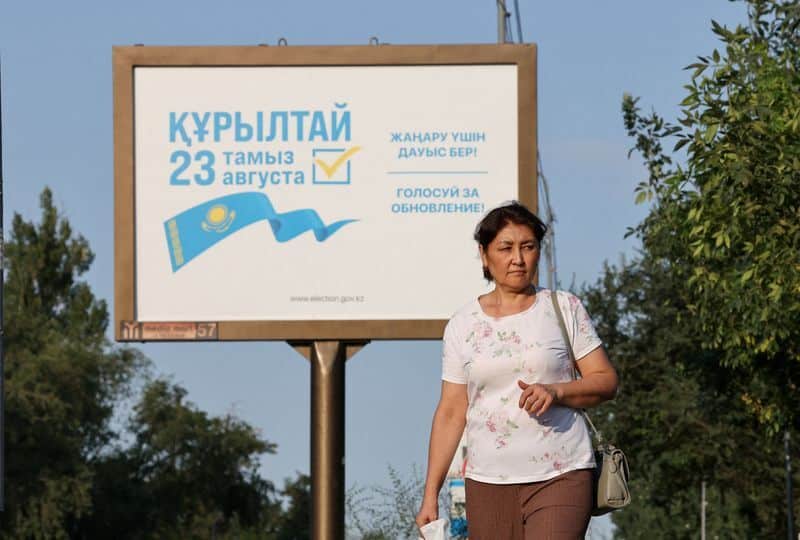
Around Almaty, Kazakhstan’s largest city, election posters – mostly in support of Adilet – have been ubiquitous for weeks.
Opinion polls show the new party with a large majority of the vote, with a number of smaller opposition parties, which analysts consider broadly loyal to Tokayev, also likely to enter parliament.
Kazakh political analyst Rustam Burnashev told Reuters that though the election offered Tokayev a chance to remove figures associated with his predecessor from the political stage, major reform of the political system was unlikely.
“All the parliamentary candidates are known,” he said. “Nor can one say that the parliament itself will be a transformative one.”
Although Kazakhstan has enjoyed rapid economic growth in recent years, tax rises and inflation have hit living standards.
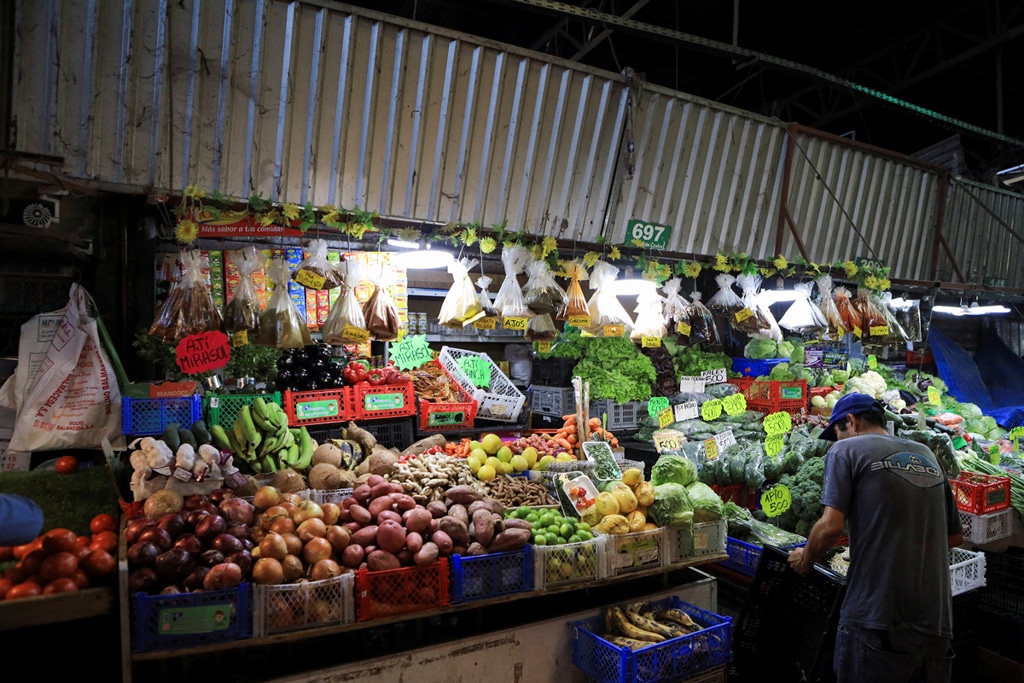
Atapsha, a fruit seller who declined to give his full name, told Reuters that he would cast a vote, but without any particular expectations.
“I am 73 years old. I’ve been waiting for things to get better for 73 years, but so far, nothing has really worked out. Still, I hope that this year things will finally improve.”
The constitutional change passed by a referendum in March streamlines parliament from two chambers to one and creates a new office of vice-president. Last month, the constitutional court ruled that the amendments effectively nullified Tokayev’s previous terms, which were served under an earlier constitution, allowing him to run for another seven-year term of office.
(Reporting by Felix Light and Mariya Gordeyeva; editing by Philippa Fletcher)