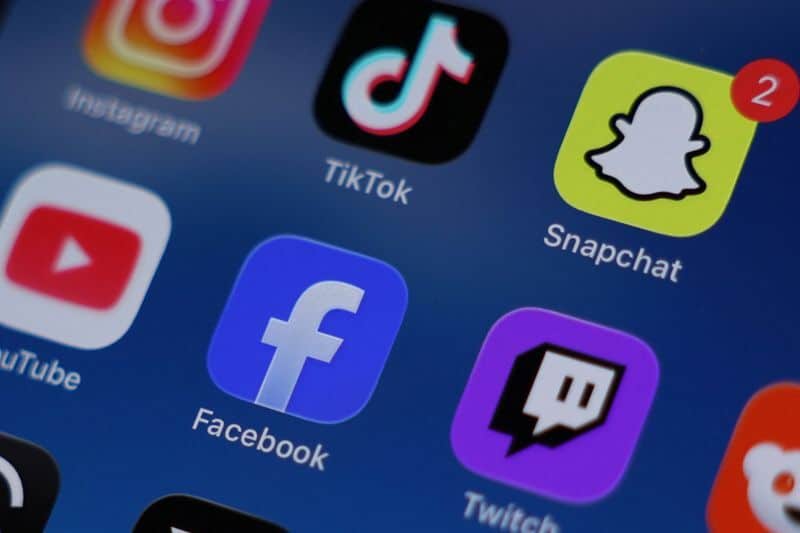
Aug 26 (Reuters) - Slovakia’s government approved a bill on Wednesday proposing a ban on use of social networks by children under 16, saying it would help prevent addictive behaviour, social pressure and radicalisation.
The law, if approved by parliament, will ban setting up social network accounts for younger children and require proving the user’s age, according to documents posted on the government’s website.
- A report accompanying the proposed legislation said: “The proposal reacts to the growing importance of online technologies and social networks in spreading violent, extremist or otherwise harmful behaviour.”
- The report said the decision to set the ban on social network usage as up to 16 was based on findings in the fields of psychology and neuroscience and international research showing adolescence as a phase of development of identity, critical thinking, emotional regulation and social relations.
- “In this period, children and younger adolescents are more vulnerable to algorithmic content suggestions, social pressure, manipulative practices, formation of addictive behaviour, disinformation, radicalisation narratives and other forms of harmful content,” it said.
- The bill proposes setting a requirement to prove a user’s age when setting up a social network account, without providers gaining access to other personal data, the report said. The verification criteria would follow the European Union’s digital services rules, it said.
- A growing number of European countries have announced moves to regulate the age of social network users, while some require parental consent.
(Reporting by Jan Lopatka in Prague)