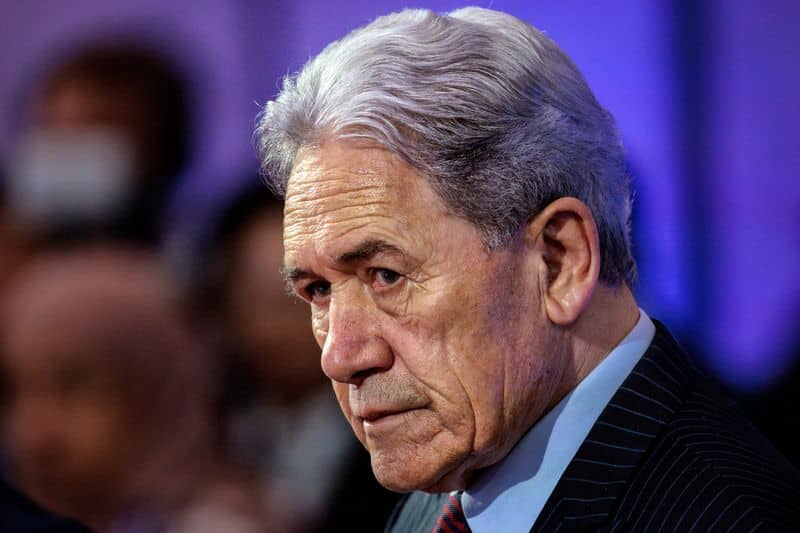
WELLINGTON, Sept 22 (Reuters) - New Zealand’s biggest risk in foreign policy is reacting badly to global crises, Foreign Minister Winston Peters said on Tuesday, warning that rhetorical gestures may bring heavy economic costs for the small trade-dependent country.
New Zealand lacks the economic weight to absorb the costs of diplomatic disputes, warned Peters, now in his third stint as foreign minister. He has repeatedly called the current geostrategic climate the worst since World War Two.
“We’re a small country that’s got to be ultra careful how we act,” Peters told Reuters in an interview ahead of a general election in which foreign policy and defence are likely to play a role, as the international situation grows more unstable.
Peters looks set to be a key player in rightwing efforts to form the government after the November 7 election, at which no single party is seen to have an edge, though his NZ First party drew 13% support in the latest strategy poll.
BIGGEST RISK NEW ZEALAND FACES
The biggest risk New Zealand faced was to “misreact or badly react to international circumstances,” Peters said, warning against a temptation to make statements that lead to regret later.
“Sure, you might feel good for expressing yourself, but you won’t when your country loses economically,” he said, pointing to trade issues in managing ties with the United States.
Faced at times with opponents’ criticism that he was taking a softer approach to geopolitical events, Peters clashed publicly in 2025 with Prime Minister Christopher Luxon, after the latter’s calls to world leaders to discuss U.S. tariffs.
Politicians need to “tone down and wait till you see and know what’s going on,” Peters said at the time.
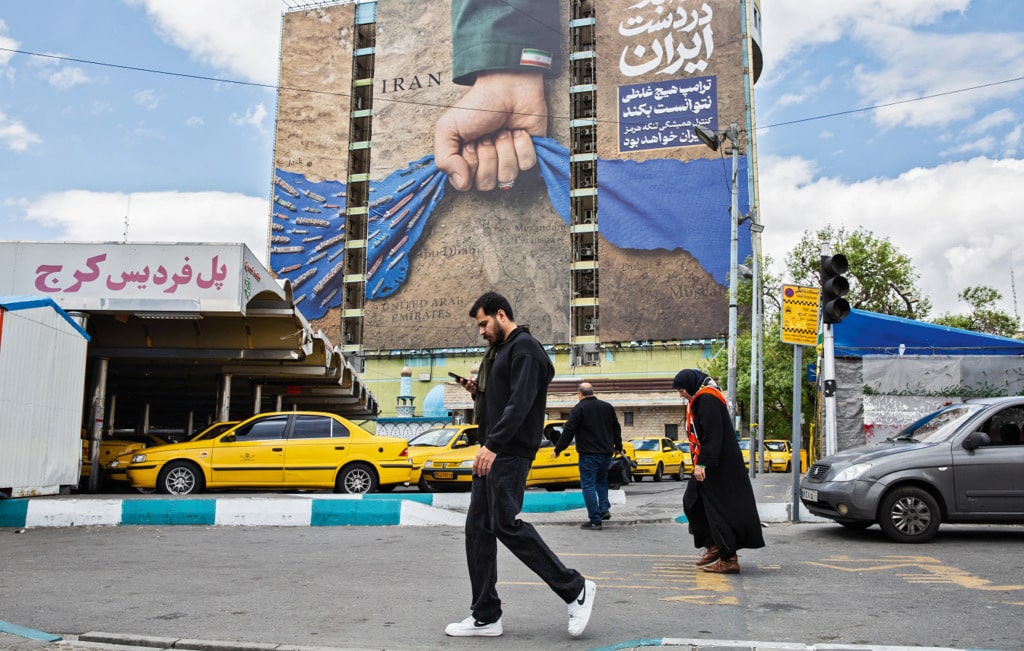
Peters rejected criticism that New Zealand had abandoned an independent foreign policy, saying the government had shown restraint over calls to condemn Iran and in the debate over recognition for a Palestinian state.
New Zealand backs a two-state solution, he said, accusing some politicians of tailoring policy to domestic political pressure rather than responding to events and choosing the best diplomatic response.
“Where is the integrity in that sort of policy?” Peters asked.
SPENDING ON MILITARY, DEVELOPMENT OF NEW TECHNOLOGIES
The veteran politician also argued that New Zealand must continue to spend money on its military and look at developing new technologies.
“Better preparedness for war is more likely to give you peace,” he said. “Your lack of preparedness will almost be certain to ensure that one day you’ll regret that.”
Peters said New Zealand had begun making a more serious defence commitment, while its growing space industry had increased its strategic relevance to larger allies.
The United States had increasingly recognised New Zealand’s capabilities, including rocket launches from its territory, he added.
Peters stressed the importance of the Pacific, where he welcomed renewed U.S. engagement but called for tight management to ensure projects bring resilience rather than waste. “They’re back,” Peters said. “And it’s not a moment too soon.”
(Reporting by Lucy Craymer; Editing by Clarence Fernandez)