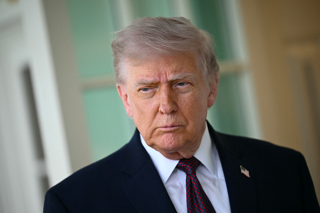
DUBAI/WASHINGTON, April 29 (Reuters) - U.S. President Donald Trump on Wednesday urged Iran to ‘get smart soon’ and sign a deal, following days of deadlock in efforts to end the conflict and a media report that the U.S. would extend its blockade of Iran’s ports.
In a post on Truth Social, Trump, who has said Iran can call if it wants to talk and has stressed repeatedly Tehran cannot have a nuclear weapon, said the country ‘couldn’t get its act together.’
The Wall Street Journal cited U.S. officials as saying the president had instructed aides to prepare for an extended blockade of Iran’s ports in a bid to force Tehran to capitulate.
Officials said that Trump had opted to continue squeezing Iran’s economy and oil exports with the blockade as his other options - resuming bombing or walking away from the conflict - carried more risk, according to the WSJ.
“They don’t know how to sign a nonnuclear deal. They’d better get smart soon!” Trump said in the post on Wednesday, without explaining what such a deal would entail.
Iran wants some kind of U.S. acknowledgment of its right to enrich uranium for what it says are peaceful, civilian purposes.
It has a stockpile of roughly 440 kilograms (970 pounds) of uranium enriched to 60%, material that could be used for several nuclear weapons if further enriched.
Iranian officials said on Tuesday the country could withstand the blockade as it was using alternative trade routes, and the Islamic Republic did not consider the war over.
The conflict has killed thousands, thrown energy markets into turmoil and disrupted global trade routes.
IRAN WANTS FORMAL END TO CONFLICT FIRST
Iran’s most recent offer for resolving the two-month war, suspended since April 8 under a ceasefire agreement, would set aside discussion of its nuclear programme until the conflict is formally ended and shipping issues resolved.
That proposal did not meet Trump’s demand to have the nuclear issue discussed from the outset, however.
U.S. intelligence agencies, at the request of senior administration officials, are studying how Iran would respond if Trump were to declare a unilateral victory in the two-month-old war that has become a political liability for the White House, two U.S. officials and a person familiar with the matter told Reuters.
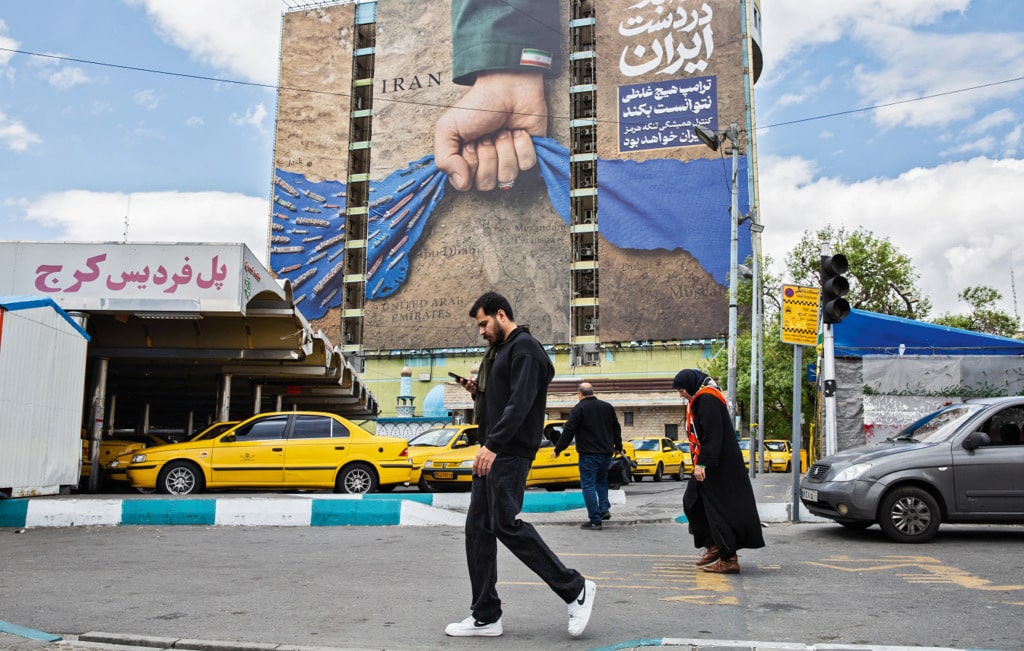
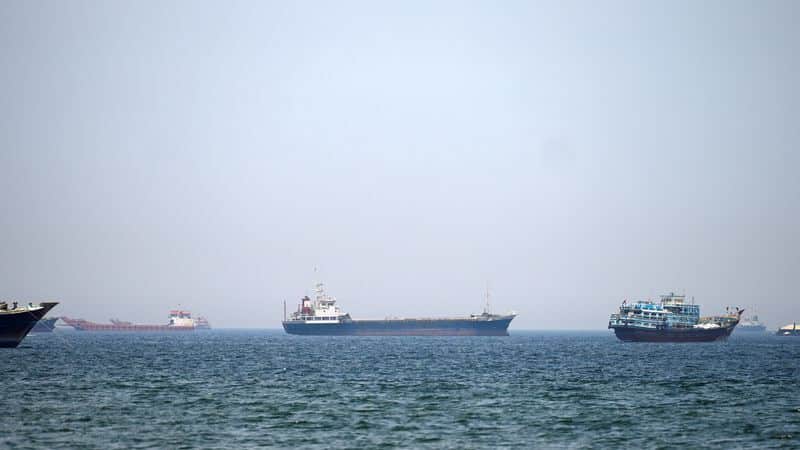
Tehran has largely blocked all shipping apart from its own from the Gulf through the Strait of Hormuz, a chokepoint for global energy supplies, since the war began on February 28. This month, the U.S. began blockading Iranian ships.
Trump’s Truth Social post featured a mock-up image of himself in dark glasses and wielding a machine gun with the caption “No more Mr. Nice Guy.”
IRAN’S GUARDS TAKE GREATER ROLE
Hopes of a swift resolution to the conflict have receded since Trump last weekend scrapped a visit by his special envoy Steve Witkoff and son-in-law Jared Kushner to mediator Pakistan.
Iranian Foreign Minister Abbas Araqchi visited the country twice during the weekend.
Since several senior Iranian political and military figures were killed in U.S.-Israeli strikes, Iran no longer has a single, undisputed clerical arbiter at the pinnacle of power, which may be hardening Tehran’s negotiating stance.
The killing of Ayatollah Ali Khamenei on the first day of the war, and the elevation of his wounded son, Mojtaba, to replace him as supreme leader, has handed more power to hardline commanders of the Islamic Revolutionary Guard Corps, Iranian officials and analysts say.
Trump is under domestic pressure to end a war for which he has given the U.S. public shifting rationales. His approval rating fell to the lowest level of his current term, as Americans increasingly soured on his handling of the cost of living and the unpopular war, according to a Reuters/Ipsos poll. The poll showed 34% of Americans approve of Trump’s performance, down from 36% in the prior survey.
OIL PRICES RISE ON FEARS OF LENGTHY BLOCKADE
Oil prices rose nearly 3% on Wednesday, with the Brent contract hitting a one-month high, on concerns that an extended blockade of Iranian ports would prolong supply disruptions.
The World Bank on Tuesday forecast energy prices would surge by 24% in 2026 to their highest level since Russia’s full-scale invasion of Ukraine four years ago, if the most acute disruptions caused by the Iran war end in May.
(Reporting by Reuters bureaus; Writing by Alexandra Hudson, Editing by)