By Mark Trevelyan
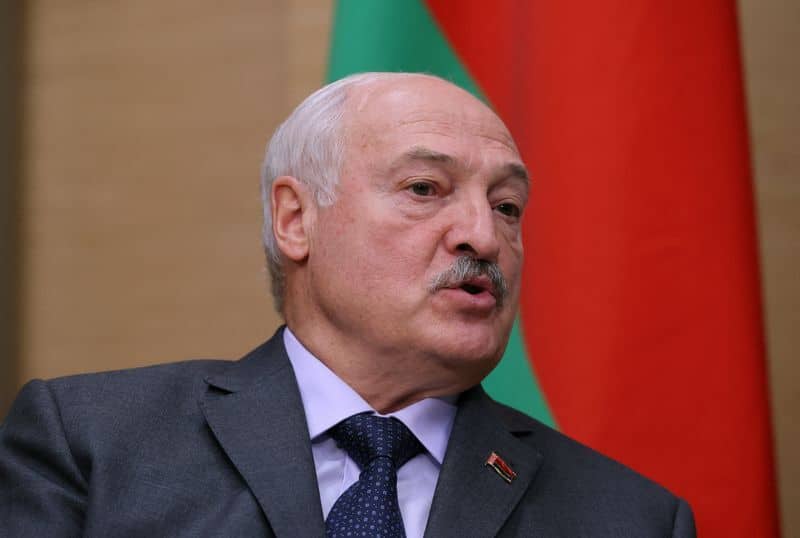
Sept 15 (Reuters) - U.S. presidential envoy John Coale met Belarusian President Alexander Lukashenko on Tuesday for their first talks in six months, as Washington pushes for the release of more political prisoners in return for easing sanctions.
Coale opened negotiations last year with Lukashenko, a close ally of Russian President Vladimir Putin, and has succeeded in winning the release of hundreds of prisoners in return for the easing of U.S. sanctions against Belarus.
But the human rights group Viasna says the former Soviet state still holds more than 900 political prisoners. Lukashenko rejects that description and describes the people in question as lawbreakers and “bandits”.
The stakes are high for the veteran leader, in power since 1994. The talks have offered him a way to break out of his international isolation after being shunned for years by the West because of his repression of opponents and backing for Putin’s war in Ukraine.
“Our society views your visits with great interest. And, of course, neighbours and other world leaders are closely following our meeting,” Lukashenko told Coale at the start of the talks, after welcoming him with a hug.
The state news agency Belta said Coale passed on greetings from Trump, saying “he fully supports everything we are doing”.
UNEXPLAINED SIX-MONTH GAP SINCE COALE’S LAST MINSK VISIT
The exiled Belarus opposition has welcomed Coale’s diplomacy as a vital humanitarian intervention, but says Lukashenko is arresting new prisoners in place of those who walk free.
“It’s essentially a pure trade. An exchange is taking place — hostages for a change in sanctions — but this doesn’t alter the fundamental nature of the Belarusian regime,” human rights campaigner Ales Bialiatski, was himself freed from jail last year and deported, told Reuters last week.
“While I am glad to be free … the machinery of repression keeps running.”
The gap of six months since Coale’s last visit is twice as long as that between previous trips, a delay that neither side has publicly explained.
Analysts say Lukashenko may be raising his price for releasing prisoners, and is frustrated that U.S. actions - in particular the removal of sanctions on Belarusian potash, an ingredient in fertilisers - have not been matched by the European Union.
Last week he demanded the return of what he said was $43-44 million belonging to Belarus that he said was “stuck at Citibank”, calling it a disgrace for the United States. Citi declined to comment.
U.N. experts said on Tuesday that they had found “systematic” violations of international human rights obligations at every stage of the judicial process in Belarus.
They cited arbitrary arrests, torture, denial of legal safeguards, closed trials and continued harassment of former detainees.
The Belarus mission to the Geneva-based U.N. Human Rights Council did not immediately respond to a request for comment.
(Reporting by Reuters in Moscow and Olivia Le Poidevin in Geneva; writing by Mark Trevelyan in London; Editing by Andrew Heavens and Kevin Liffey)