By Andrea Shalal
WASHINGTON, Nov 23 (Reuters) - The Trump administration has issued new Iran-related sanctions targeting dozens of people and entities, the Treasury Department said on Monday, stepping up its effort to isolate Iran from the global economy and disrupt its shadow banking networks.
Treasury’s Financial Crimes Enforcement Network (FinCEN) also released an analysis identifying nearly $15 billion of financial activity conducted from January 2025 to August 2026 that it said was potentially linked to Iranian shadow banking.
Treasury said Monday’s sanctions hit two dozen Iranian exchange houses and front companies that have kept Iran’s foreign trade running, including firms based in the United Arab Emirates, Turkey and Hong Kong, as well as key personnel.
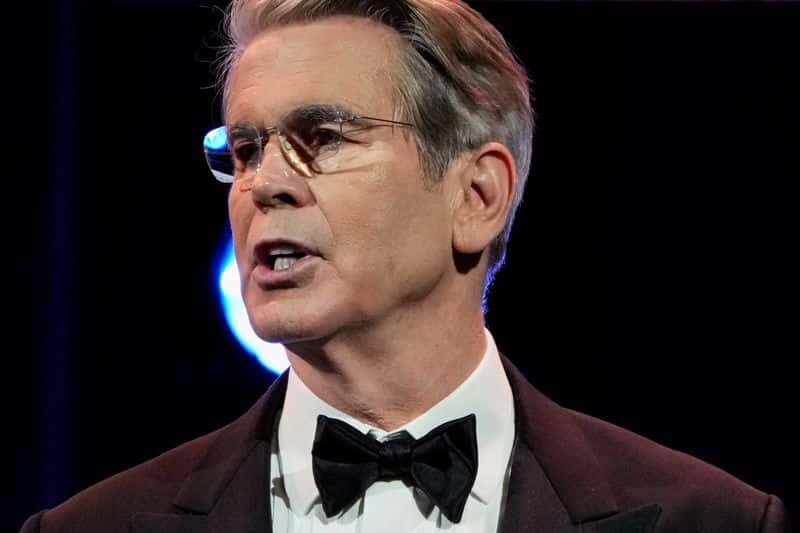
“Iran’s economy is underwater, and its leaders are panicking,” Treasury Secretary Scott Bessent said in a statement. “Iran’s shadow banking system is the last financial lifeline of a bankrupt regime. Treasury will continue dismantling these illicit networks until we have buried the head of the snake.”
Treasury said Iran’s shadow banking system is overseen by the Central Bank of Iran and relies on dozens of Iran-based exchange houses and “rahbar companies,” bank affiliates that manage sanctions-evasion networks for their Iran-based clients.
Billions of dollars move through the international financial system in this way, sustaining the last remnants of Iran’s foreign trade, it added.
The FinCEN report, based on data submitted by regulated US financial institutions, showed a decrease in the volume of potential Iranian shadow banking from January to August, which it said “may be indicative of at least partial disruption of Iran’s ability to operate shadow banking networks.”
It showed that those networks continue to be connected, most prominently in the UAE, Hong Kong and Singapore, through businesses spanning the oil, shipping and investment sectors.
(Reporting by Andrea Shalal, Daphne Psaledakis and Ismail Shakil; writing by Susan Heavey; Editing by Doina Chiacu and Sanjeev Miglani)