BUDAPEST, March 20 (Reuters) - A Hungarian civil rights group has raised concerns over the role of Russian President Vladimir Putin’s former interpreter in a mission to monitor what is likely to be Prime Minister Viktor Orban’s toughest election fight since he took power in 2010.
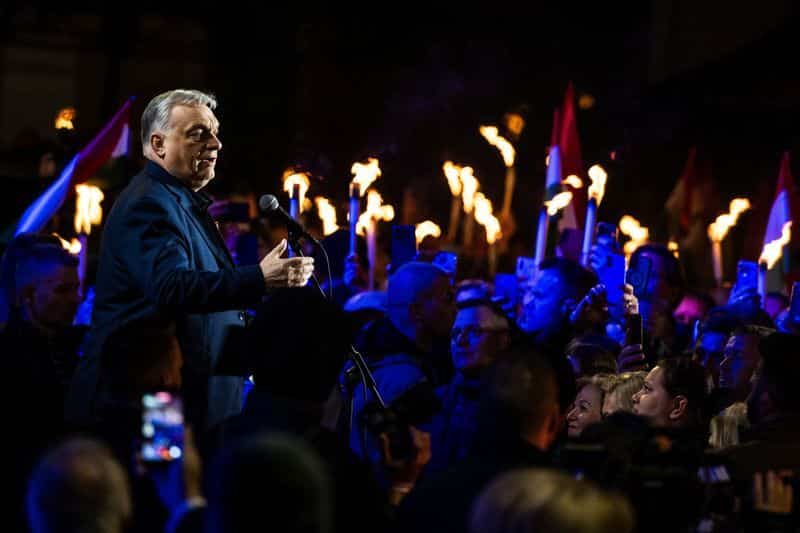
Opinion polls show the nationalist Orban, who has fostered warm ties with Putin despite the Ukraine war, trailing his centre-right opponent ahead of the April 12 vote. His defeat would have big implications for Europe amid the rise of far-right parties.
The Hungarian Helsinki Committee (HHC) this month sent a letter to the leadership of the Organization for Security and Cooperation in Europe, calling for the removal of Daria Boyarskaya from its election observer mission.
“The HHC requested that Putin’s former interpreter be relieved of her duties related to the Hungarian elections to ensure an atmosphere of trust and confidentiality,” the group wrote on its website.
Boyarskaya, a senior adviser at the OSCE Parliamentary Assembly (PA), “assists with preparations and undertakes official visits by OSCE PA officials and supports election observation missions”, according to the organization’s website.
She previously worked at Russia’s Foreign Ministry.
HHC co-chair Marta Pardavi said her group had received a response from OSCE PA Secretary General Roberto Montella expressing confidence in Boyarskaya.
“I was disappointed by the secretary general’s letter as I felt he does not fully hear the concerns that I express,” Pardavi told Reuters.
Montella and a spokesperson for OSCE PA did not immediately reply to a request for comment.
SANCTIONED BY POLAND
In 2022 Poland placed Boyarskaya on its sanctions list, barring her from entering the country.
Poland’s interior ministry said at the time that her backing for Putin’s government “creates a serious risk of provocation or incidents that would damage Poland’s international position”.
The Vienna-based OSCE is a 57-nation body comprising former Cold War foes the U.S. and Russia as well as most countries in Europe, Central Asia and North America. It is designed to prevent and monitor conflicts in Europe.
(Reporting by Anita Komuves in Budapest, additional reporting by Barbara Erling in WarsawEditing by Gareth Jones)