By Andrea Shalal, Emily Rose and Timour Azhari
WASHINGTON/JERUSALEM/RIYADH, May 13 (Reuters) - The U.S.-Israeli war in Iran loomed over U.S. President Donald Trump’s visit to China on Wednesday, as signs emerged that the conflict is shifting alliances across the Middle East.
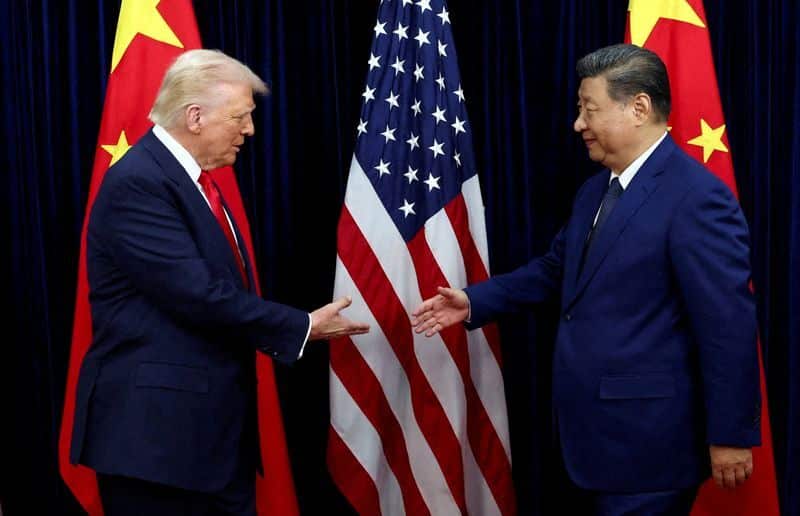
Trump arrived in Beijing on Wednesday ahead of talks with President Xi Jinping set to begin on Thursday. He is expected to ask for China’s help to resolve the costly and unpopular conflict, which he launched in late February, but analysts say he is unlikely to get the support he wants.
New reports on Wednesday highlighted how the Iran war is accelerating geopolitical realignment across the region.
Israel said Prime Minister Benjamin Netanyahu secretly travelled to the UAE in March for talks with Sheikh Mohammed bin Zayed, which Israel said resulted in an “historic breakthrough” in Israel’s relations with the UAE. The two countries re-established ties in 2020 as part of the Trump-backed Abraham Accords, and the relationship has strengthened after the UAE came under Iranian attack.
But the UAE’s foreign ministry denied that the trip took place. “Any claims regarding unannounced visits or undisclosed arrangements are entirely unfounded unless officially announced by the relevant authorities in the UAE,” it said in a statement.
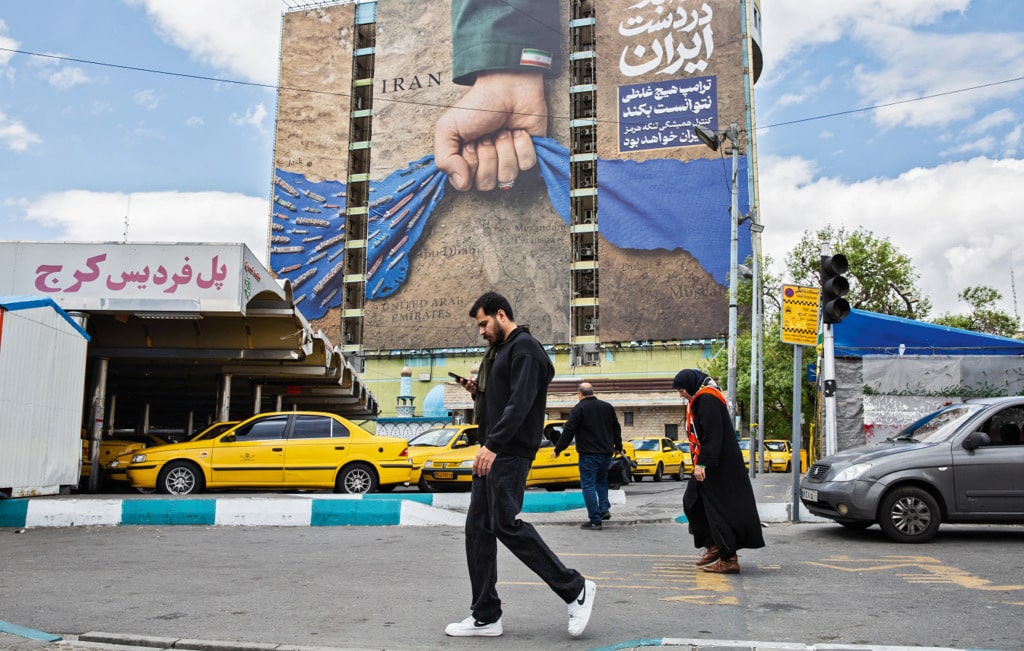
Iran, which has struck the UAE more than its neighbours in response to the U.S.-Israeli attacks, hit out at the UAE. “Enmity with the Great People of Iran is a foolish gamble. Collusion with Israel in doing so: unforgivable. Those colluding with Israel to sow division will be held to account,” Foreign Minister Abbas Araqchi wrote on X.
Separately, Reuters reported that Saudi fighter jets have bombed Iran-backed militias in Iraq, part of a broader pattern of military responses involving Gulf nations during the war that have remained hidden. Retaliatory strikes were also launched from Kuwait into Iraq, sources said.
Tehran, meanwhile, has tightened its grip on the Strait of Hormuz, which before the war handled one-fifth of the world’s oil supply, cutting deals with Iraq and Pakistan to ship oil and liquefied natural gas from the region, according to sources with knowledge of the matter.
Iranian officials have signalled they see that control as a long-term strategic goal. An army spokesperson said supervision of the waterway could generate revenue amounting to twice Iran’s oil income, while strengthening its foreign policy leverage.
“After this war ends, there will be no place for retreat,” the spokesperson said, according to comments carried by ISNA news agency.
More than one month after a tenuous ceasefire took effect, U.S. and Iranian demands to end the war remain far apart.
Washington has called for Tehran to scrap its nuclear programme and lift its hold on the strait, while Iran has demanded compensation for war damage, an end to the U.S. blockade and a halt to fighting on all fronts, including in Lebanon, where Israel is battling Iran-backed Hezbollah. Trump has dismissed those positions as “garbage.”
Vice President JD Vance said on Wednesday he believes progress is being made in negotiations. “The fundamental question is, do we make enough progress that we satisfy the President’s red line?” Vance told reporters at the White House. “And the red line is very simple. He needs to feel confident that we put a number of protections in place such that Iran will never have a nuclear weapon.”
CHINESE SUPERTANKER CROSSES STRAIT
The conflict is weighing heavily on global energy markets. Global oil supply will fall by around 3.9 million barrels per day in 2026 and undershoot demand due to disruptions caused by the Iran war, the International Energy Agency said on Wednesday, with more than 1 billion barrels of Middle East supply already lost.
The Trump administration said on Tuesday that senior U.S. and Chinese officials had agreed last month that no country should be able to charge tolls on traffic through the region, in an effort to project consensus on the issue ahead of the summit. China, a major buyer of Iranian oil that maintains close ties with Tehran, did not dispute that account.
On Wednesday, a Chinese supertanker carrying 2 million barrels of Iraqi crude sailed through the Strait of Hormuz, ship-tracking data showed, marking the third known passage by a Chinese oil tanker through the channel since the U.S. and Israel launched strikes on Iran on February 28.
Other countries are exploring shipping arrangements similar to Tehran’s deals with Iraq and Pakistan, sources said, potentially entrenching Tehran’s control of the waterway through which fertilisers, petrochemicals and other bulk commodities vital to global supply chains normally flow.
ISRAEL CONTINUES TO STRIKE LEBANON
Iran has demanded security guarantees for Lebanon as part of its proposal to end the wider war, but despite a U.S.-mediated ceasefire announced last month, Israel has continued to strike Hezbollah.
On Wednesday, Israeli airstrikes on cars in Lebanon killed 12 people, including two children, according to Lebanon’s health ministry.
Some of the strikes targeted vehicles well beyond the main theatre of conflict in the south, on the coastal highway south of Beirut, security sources said.
(Reporting by Reuters Newsrooms; Writing by Simon Lewis, Ros Russell and Costas Pitas; Editing by Andy Sullivan, Keith Weir, Sanjeev Miglani and Daniel Wallis)