By Daphne Psaledakis, Nafisa Eltahir and Antoni Slodkowski
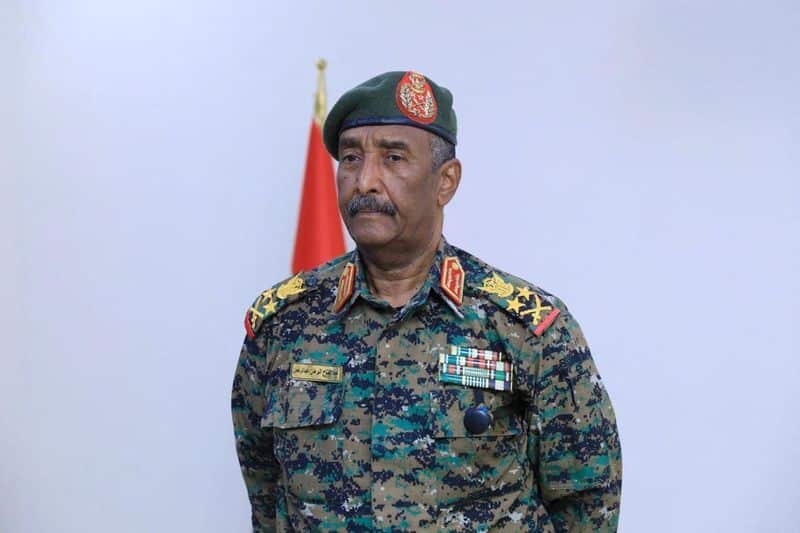
Sept 22 (Reuters) - The United States is withholding an entry visa for Sudanese army leader Abdel Fattah al-Burhan just days ahead of his scheduled appearance at the United Nations General Assembly, according to a letter from Sudan’s UN ambassador calling on the global body to intervene.
The issuance of the visa appears to have been made contingent on Burhan agreeing to sign a 90-day ceasefire proposed by US Senior Advisor for Arab and African Affairs Massad Boulos, according to a Sudanese diplomatic source and a Western analyst close to American and Sudanese officials.
The US State Department and Sudanese authorities did not immediately respond to requests for comment.
The impasse represents a nadir in US-Sudan relations since war broke out in Sudan between the army and the paramilitary Rapid Support Forces (RSF) in April 2023, and comes as Burhan is scheduled to address the General Assembly on Thursday.
Sudan’s army presented reservations about the Boulos-proposed ceasefire this summer.
The letter, addressed to UN Secretary-General Antonio Guterres and signed by Sudan’s UN Ambassador Al-Harith Idriss Al-Harith, asked for the United Nations’ “immediate intervention” with US authorities to ensure the issuance of the visa.
“Should this situation persist, it would effectively prevent the Head of State of a Member State of the United Nations from participating in person in the work of the General Assembly,” read the letter, which was dated September 21.
In a statement sent to Reuters, UN spokesperson Stéphane Dujarric said: “The Secretary-General is deeply concerned that a visa has reportedly not yet been issued to the President of the Transitional Sovereign Council of the Sudan.”
“The Secretariat immediately raised the matter with the United States authorities and continues to engage with them.”
Burhan, the head of Sudan’s army, has been the country’s de facto leader since 2019, though the African Union and Western powers withdrew recognition after a 2021 coup he led with RSF head Mohamed Hamdan Dagalo, against the civilian leadership.
Still, Burhan has spoken at the UN General Assembly on Sudan’s behalf since the coup.
The war has created what the United Nations calls the world’s largest humanitarian crisis. Dagalo, known as Hemedti, has set up a rival government that has so far struggled to gain legitimacy.
The United States has made efforts to mediate the conflict within the so-called “Quad” format which includes the United Arab Emirates, Egypt, and Saudi Arabia, countries seen as having the most influence in Sudan.
In a piece in US outlet Foreign Policy published on Monday, Burhan said he would refuse external directives about the war and said previous pauses in fighting had only allowed the RSF and its backers to regroup.
“Ceasefires have collapsed over the course of this war because they were written about Sudan without Sudan,” he wrote.
Under the agreement for the United States to host the UN headquarters, it is not supposed to deny visas, though it has denied entry to the head of the Palestinian Authority.
Relations between the US and Sudan’s army have already been strained in recent weeks over a US proposal to extend an existing arms embargo over Sudan’s Darfur region – the RSF’s stronghold – to the rest of the country, a move that Burhan’s backers say would disproportionately punish the army.
Sudan’s civilian prime minister before the coup, Abdalla Hamdok, is in New York this week as part of the General Assembly, along with members of his anti-war coalition.
(Additional reporting by Simon Lewis and Doyinsola Oladipo in New York and Khalid Abdelaziz; Editing by Aidan Lewis)