By Kanishka Singh
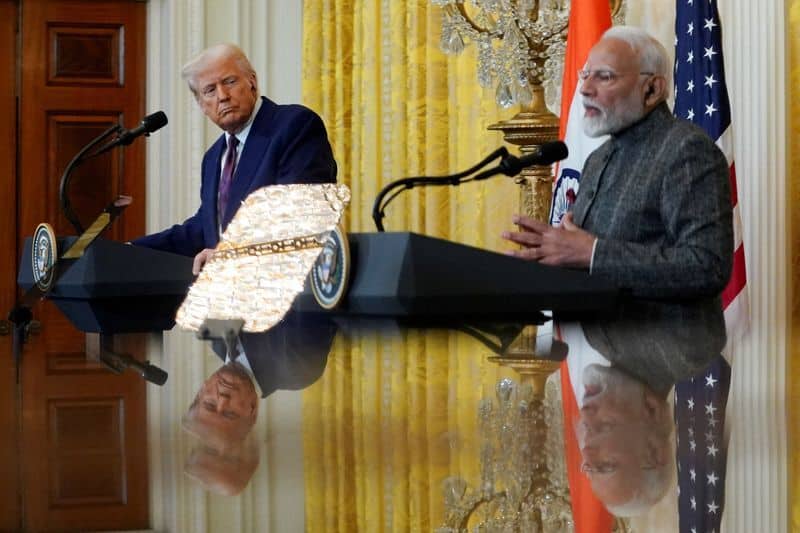
WASHINGTON, Sept 23 (Reuters) - US Secretary of State Marco Rubio and Indian Foreign Minister S. Jaishankar discussed on Wednesday US measures that could be leveled against countries that engage economically with Russia and Iran, with New Delhi reiterating concerns over a sanctions bill recently signed into law by President Donald Trump.
Last week, Trump signed the bill called “Lindsey O. Graham Sanctioning Russia and Iran Act of 2026,” named after deceased South Carolina Republican US Senator Lindsey Graham.
The bill passed by the US Congress paved the way for increased economic pressure on Russia over its invasion of Ukraine that began in early 2022.
Rubio and Jaishankar “discussed sanctions that could be leveled against states that engage economically with Russia and Iran,” the State Department said in a statement after their meeting in New York.
Jaishankar wrote on X he “reiterated India’s interests and concerns with regard to SRIA.”
India has previously told Washington that new measures to levy tariffs over the purchase of Russian oil could impact bilateral ties.
The bill requires Trump to impose tariffs of up to 100% within 30 days on all goods imported into the US from the five largest importers of Russian crude oil or gas as well as any country that knowingly made new purchases of oil or gas 30 days after the law was enacted or was among the top five countries helping Russia evade sanctions.
India is among the biggest buyers of Russian oil. After Russia invaded Ukraine, India sharply increased purchases of discounted Russian crude. The stepped-up purchases were partly the reason Trump imposed tariffs of as much as 50% on Indian goods in August 2025, among the steepest levied on any country.
In February, Trump rolled back those duties, citing what he said was India’s commitment to halt Russian oil purchases. But New Delhi only briefly reduced purchases from Russia in early 2026. They have since jumped, especially since the supply shock that followed the US-Israeli war on Iran.
India says its large population and growing economy need affordable energy supplies. Indian analysts say India’s purchases of Russian oil were not financing the war on Ukraine but helping stabilize global supplies and keeping domestic prices in check.
(Reporting by Kanishka Singh, Daphne Psaledakis and Ryan Patrick Jones; Editing by Caitlin Webber and Lincoln Feast.)