By Ryan Patrick Jones
TORONTO, Sept 29 (Reuters) - Three generations of an Armenian-Christian family were driving home in Baghdad in April 2003 when US Marines in a firefight with Iraqi forces fired on their cars, killing three men.
Almost a decade later, two women who survived the attack sat down in their Glendale, California, living room with one of the Marines who pulled the trigger.
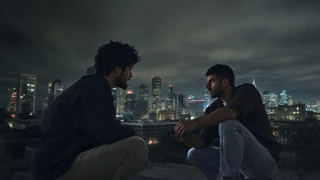
That encounter serves as the climax of “Atonement,” writer-director Reed Van Dyk’s feature debut, which had its North American premiere at the Toronto International Film Festival this month and opens in theaters on Friday.
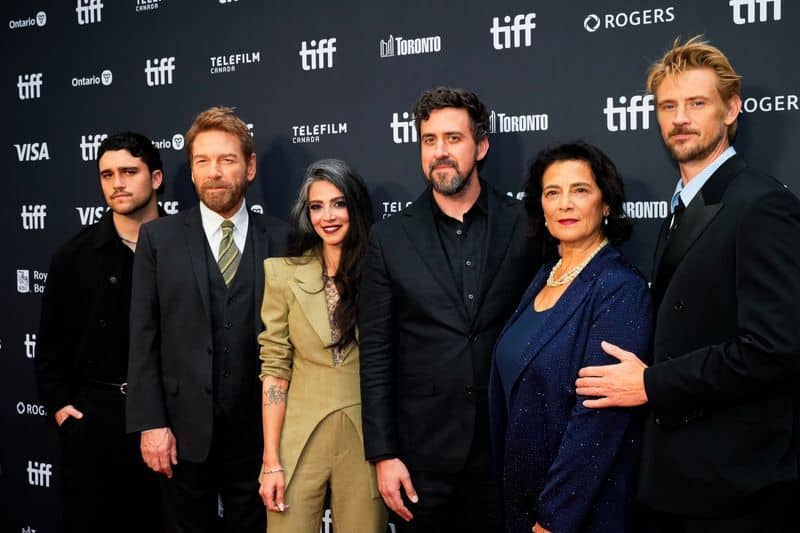
Based on a 2012 New Yorker article by Dexter Filkins, the film stars Kenneth Branagh as Michael Reid, a journalist who reported on the gunfight and arranged the meeting. Hiam Abbass portrays Mariam, the family matriarch whose husband and two sons were killed, while Boyd Holbrook is Lou D’Alessandro, the former Marine seeking forgiveness. The names were altered from the real-life characters: former Marine Lu Lobello, Margaret Kachadoorian and Filkins.
Van Dyk, speaking to Reuters during an interview with the cast, said Iraqi characters in typical Iraq War films are “viewed through sniper scopes or in the background,” and he set out to invert that perspective.
“It was really exciting for me to centralize these people who were affected deeply by this instance and by war in general,” he said.
After returning from Iraq, Lobello struggled with post-traumatic stress disorder, haunted by the memory that his unit had killed civilians that day.
“This bullet goes both ways, and you’re really seeing Lou grapple with that,” Holbrook said, echoing a line from the film.
Lobello eventually asked Filkins to connect him with the Kachadoorians. The family agreed to meet, and they forgave him.
Abbass said that, in portraying Mariam, she channeled her experience as a mother and a Palestinian woman who grew up around wars. She said she was struck by her capacity for forgiveness.
“This woman was able to forgive, but imagine how many people on Earth that lived that situation are incapable to … forgive,” she said.
Branagh called the film’s central interaction an “extraordinary act of vulnerability” and praised the willingness of both sides to have a conversation without a clear resolution.
“You’re left with a tremendous sort of interchange between people in impossible situations with difficult answers to find — if they can be found,” he said.
“Atonement” opens in select theaters on October 2, expanding widely on October 9.
(Reporting by Ryan Patrick Jones; Additional reporting by Kate Skelly and Meriam Telhig; Editing by Caroline Stauffer and Edmund Klamann)