By Joshua McElwee
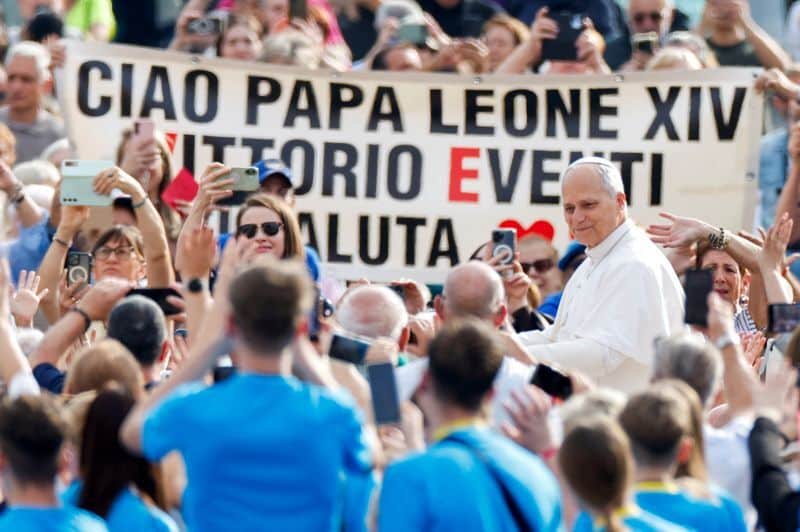
VATICAN CITY, Oct 7 (Reuters) - Pope Leo urged an assembly of some 150 bishops from around the world to find “renewed ways” of helping modern families at the start of a week-long meeting at the Vatican, his biggest gathering of Church leaders so far.
The assembly, meeting through October 14 to discuss Catholic family life teachings, is expected to touch on contested topics such as the Church’s treatment of LGBT members and those who have been divorced and remarried, although those issues are not formally on the agenda.
Leo asked that God would “give us the freedom to listen to one another, the wisdom to recognise his work among his people, and the courage to follow where he leads us.”
The pope has called the assembly, a meeting with the presidents of the world’s Catholic bishops conferences, to mark the 10th anniversary of a landmark 2016 document written by his predecessor, the late Pope Francis.
That text, titled “Amoris Laetitia” (The Joy of Love), urged the Church to be less strict and more compassionate towards “imperfect” Catholics, such as those who are divorced and remarried.
Under current Church teaching, remarried Catholics cannot receive communion unless they abstain from sex with their new partner, because their first marriage is still valid in the eyes of the Church.
Francis appeared to open the door for remarried Catholics to take communion, saying in a footnote of the 2016 document that they could receive “the help of the sacraments”, but never laid out a clear universal policy for the global Church.
Leo did not specifically mention the issue in his remarks on Wednesday but said the Church must “recognise the work of grace even in situations marked by limits, wounds and apparent failure”.
Bishops from more than 115 countries are taking part in the assembly, including two from China, which negotiated a contested 2018 deal with Francis that normalized appointments of Catholic bishops in the country after decades of tensions.
Also taking part are 11 lay Catholic couples, who are expected to give testimonies about their lives.
(Reporting by Joshua McElwee; editing by Philippa Fletcher)