By Emily Rose
JERUSALEM, April 13 (Reuters) - Nearly two-thirds of Israelis oppose the Iran https://www.reuters.com/world/iran/ ceasefire but the public is divided over whether Israel should respect the two-week truce or resume attacks on Iran, according to a poll from the Hebrew University of Jerusalem.
The poll was the first national survey of Israelis conducted after the U.S. and Iran agreed last week to a ceasefire brokered by Pakistan, the survey’s authors said. The two sides failed to reach a broader deal to end the war in weekend talks in Islamabad.
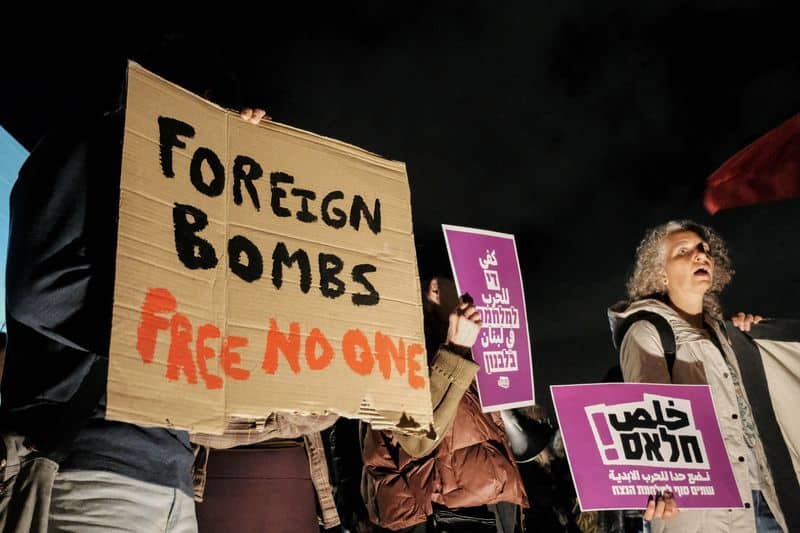
The ceasefire has halted U.S. and Israeli airstrikes on Iran. But it has not ended a parallel war between Israel and the Iranian-backed Hezbollah in Lebanon, where the Israeli military has continued deadly bombardment that has killed many civilians. Hezbollah has continued to fire rockets at Israeli towns in the country’s north.
On Lebanon, more than 61 percent of Israelis believe the truce should not extend to the fighting with Hezbollah, a core demand by Iran in talks with the U.S., according to the poll, conducted by researchers at Hebrew University’s Agam Labs.
Asked what Israel should do about Iran, 39 percent said Israel should continue attacks, 41 percent said their country should respect the ceasefire, and 19 percent said they weren’t sure, the poll said.
The poll was based on a sample of 1,312 Israelis interviewed from April 9-10, with a margin of error of 3.2 percent.
With the fate of the Iran ceasefire unclear, Israel is digging in for a long, drawn-out conflict https://www.reuters.com/business/aerospace-defense/us-iran-talk-truce-israel-digs-forever-war-2026-04-09/ across the Middle East, with Israeli officials concluding that their enemies in Iran, Lebanon, Gaza and beyond cannot be eliminated outright.
The public’s perception of Israel’s military success in Iran holds high stakes for Prime Minister Benjamin Netanyahu, who faces an election due by October that most public opinion polls show he will lose.
According to the Hebrew University poll, Netanyahu’s standing among Israelis has decreased since the start of the Iran war, with 34 percent of Israelis preferring him as premier now versus 40 percent at the start of the conflict.
(Reporting by Emily Rose; editing by Rami Ayyub, by William Maclean)