By Sarah Young, Andrew MacAskill and Muvija M
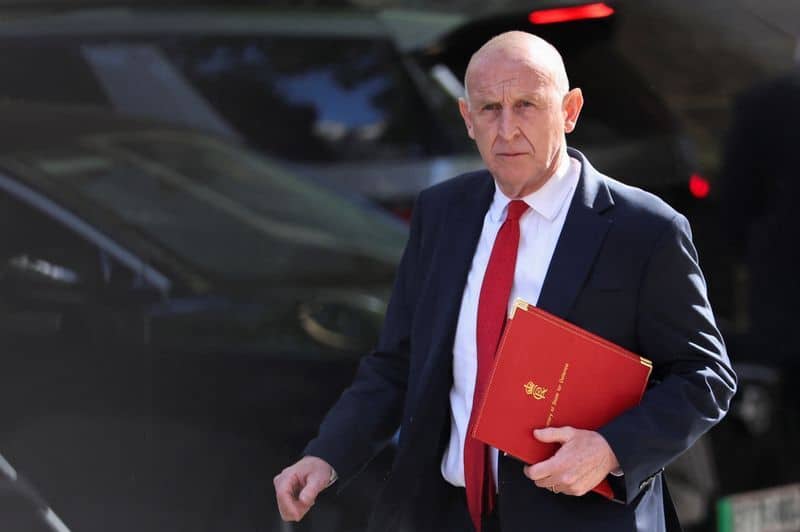
LONDON, June 11 (Reuters) - British defence minister John Healey quit on Thursday over a months-long dispute over military spending, accusing Prime Minister Keir Starmer of failing to commit the resources that are needed to keep the country safe from mounting threats.
The resignation, accompanied by a scathing critique of the prime minister, is another indication that Starmer’s authority is draining away and exposes a crisis at the heart of the government - how it can ramp up defence spending when there is little money to spare and the welfare budget keeps rising.
Healey, a previously loyal minister, had been locked in talks with Starmer and finance minister Rachel Reeves over how to meet the additional military spending needed, delaying Britain’s Defence Investment Plan, which was due last year.
“You have been unable, and the Treasury has been unwilling, to commit the resources that the nation needs to defend the country,” Healey said in his letter to Starmer.
Starmer responded with a letter expressing regret at Healey’s resignation and by appointing the security minister, Dan Jarvis, as defence secretary.
But around the same time as that appointment, a junior defence minister, Al Carns, also quit, saying the spending plans were “not built for the threat we face.”
RESIGNATIONS INCREASE THE PRESSURE ON STARMER
The unexpected resignations are another blow to Starmer, who is likely to face a challenge to his leadership in the coming months.
Starmer’s health minister, Wes Streeting, resigned last month, accusing the prime minister of lacking a vision, and another challenger, Greater Manchester Mayor Andy Burnham, is attempting to return to frontline politics to launch a leadership bid.
Britain, historically a great military power, was left exposed in March when it was unable to immediately deploy an advanced warship to Cyprus after its air base there was hit by an Iranian-made drone.
Already contending with the U.S. pivot away from protecting Europe, Britain is now the third-biggest spender in NATO, having been overtaken by Germany in 2024, and the investment plan was aimed at bringing the armed forces to a state of “warfighting readiness.”
Starmer has pledged the largest sustained increase in defence spending since the Cold War, aiming to lift it to 3% of national output in the next parliament, meaning tens of billions of pounds of additional money for defence.
But Healey said the plan he had seen would increase defence spending to only 2.68% in 2030, when it will already reach 2.6% next year.
That compares to Germany’s plans to spend 3.7% of its GDP on defence by 2030. France is set to be lower than Britain at 2.5%.
General Richard Barrons, formerly commander of the Joint Forces Command and an author of a defence review in 2025 which was supposed to inspire the spending plan, told Reuters that he was angry to see the government fail to deliver.
“It’s clear they understand the risk that the UK is facing. And they say the right things about defence, and then they are guilty of failing to match those words with money,” he said.
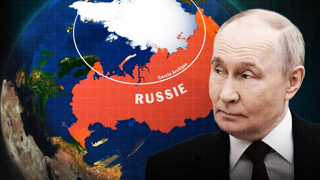
Healey said Starmer’s proposed increase in funding for defence fell “well short” of what was needed to help the military meet increased threats from Russia as well as demands to increase its presence in the Arctic and the Middle East.
The government has struggled to find the extra cash at a time when the economy is stagnating and both debt and the overall tax burden are at or close to their highest level in decades.
HEALEY WAS WIDELY LIKED
Healey, who had previously served in the governments of former Prime Ministers Tony Blair and Gordon Brown, was widely liked by colleagues and the defence sector.
One Labour lawmaker said the resignation was a “hammer blow to Starmer.” Another said it was now inevitable Starmer would be forced out of his job within months. A third said it had taken the Labour defence team completely by surprise.
About a quarter of Starmer’s lawmakers have called for him to step down after his Labour Party in early May suffered the heaviest losses for any British prime minister in local elections in more than three decades.
Healey’s departure, less than a month before a NATO summit, will not help.
Kevin Craven, the head of Britain’s defence lobby group ADS, said Healey’s resignation was a “damning reflection” of Starmer’s approach.
“The consequences for the UK, and indeed our allies, of getting our Defence Investment Plan wrong - as now seems certain - are of a magnitude far beyond our worst fears,” he said.
(Reporting by Muvija M, Sarah Young, Andrew MacAskill, Alistair Smout and Iain Withers; Additional reporting by Sam Tabahriti, William James and Suban Abdulla, Editing by Kate Holton, Ros Russell and Mark Porter)