By Diego Oré
MEXICO CITY, Feb 5 (Reuters) - Mexican officials are evaluating how to send fuel to Cuba to help meet basic needs such as electricity and transportation without triggering reprisals from Washington, which has threatened tariffs against countries supplying fuel to the Caribbean island, four sources familiar with the matter said.
The sources said high-level Mexican officials have been talking to U.S. counterparts in order to gain clarity on the scope of the tariff threat outlined by President Donald Trump in an executive order and see whether there was a way to deliver the much-needed fuel. It remains uncertain whether Mexico will find a solution.
The White House, the U.S. State Department and the Mexican presidency did not immediately respond to requests for comment. Mexico’s Foreign Ministry said it had no information on the matter.
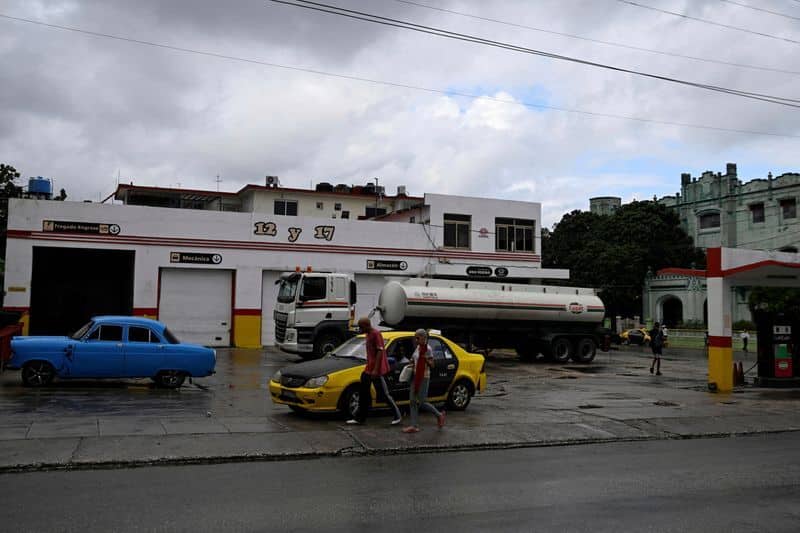
Cuba needs to import fuel for two-thirds of its energy needs, and is struggling with worsening power outages and long lines at gas stations.
Shipments of Venezuelan oil to the island ceased following a U.S. blockade of Venezuelan tankers in December and the capture of President Nicolas Maduro in early January, leaving Mexico as Cuba’s largest supplier.
However, in mid-January, the Mexican government halted shipments of crude and refined products amid pressure from the Trump administration. Washington subsequently threatened tariffs on countries that supply oil to the communist-ruled island, saying that Cuba poses an “extraordinary threat” to U.S. national security - a claim Havana denies.
“There are talks happening almost every other day,” said one of the sources, who requested anonymity to discuss private matters. “Mexico doesn’t want tariffs imposed, but it is also firm in its policy of helping the Cuban people,” the source added.
The Cuban government said on Thursday it is preparing a plan for “acute fuel shortages” and would release details over the next week.
This week, U.N. Secretary-General António Guterres warned that Cuba risks a humanitarian “collapse” if it does not receive oil to meet its needs.
Mexico, and in particular the ruling Morena party, has long maintained ideological and historical ties with Cuba, and President Claudia Sheinbaum is under pressure from within her coalition to not abandon Havana.
Three of the four sources said talks are progressing and they were hopeful a solution could be reached. Mexico could dispatch a tanker with gasoline to the island, as well as food and other supplies all classified as humanitarian aid within days if an agreement is reached, two of the sources said.
“Imposing tariffs on countries that supply oil to Cuba could trigger a far-reaching humanitarian crisis, directly affecting hospitals, food, and other basic services for the Cuban people, a situation that must be avoided through respect for international law and dialogue,” Sheinbaum said last Friday.
(Reporting by Diego Oré; Additional reporting by Adriana Barrera and Ana Isabel Martínez in Mexico City and Marianna Parraga in Houston; Editing by Stephen Eisenhammer and Nia Williams)