By Padraic Halpin
DUBLIN, Feb 10 (Reuters) - Ireland rolled out a permanent basic income scheme for the arts on Tuesday, pledging to pay 2,000 creative workers 325 euros ($387) per week following a trial that participants said eased financial strain and allowed them to spend more time on projects.
Ireland began the three-year trial in 2022 to help artists recover from COVID-19 shutdowns. While similar pilots have been tried in San Francisco and New York, Ireland’s Culture Minister Patrick O’Donovan said the scheme was the first permanent one of its kind in the world.
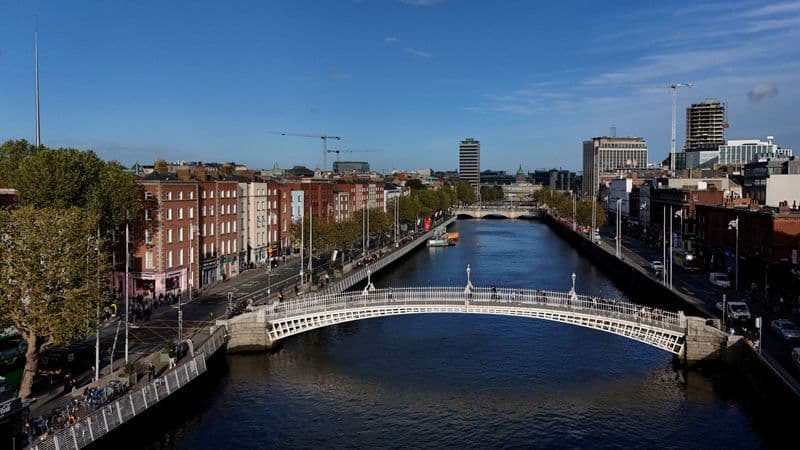
The move will “set Ireland apart from other countries with regard to how we value culture and creativity,” O’Donovan said, launching the scheme in the James Joyce Room at Bewley’s Cafe, a Dublin cultural institution which hosts lunch-time theatre performances.
“This is a gigantic step forward that other countries are not doing.”
The randomly selected applicants will receive the payments for three years, after which they would not be eligible for the next three-year cycle. O’Donovan said he would like to increase the number of recipients over time.
Over 8,000 applicants applied for the 2,000 places in the pilot scheme.
A report on the trial found it lowered the likelihood of artists experiencing enforced deprivation, and reduced their levels of anxiety and reliance on supplementary income.
It also recouped more than the trial’s net cost of 72 million euros ($86 million) through increases in arts-related expenditure, productivity gains and reduced reliance on other social welfare payments, according to a government-commissioned cost-benefit analysis.
“The scheme was a real-world test of what happens when people are given stability instead of precarity,” said composer and designer Peter Power, a member of the National Campaign for the Arts group.
“Artists on the scheme spent more time creating and less time trapped in unrelated jobs just to survive, and many became better able to sustain themselves through their work alone.”
($1 = 0.8403 euros)
(Reporting by Padraic Halpin; Editing by Aidan Lewis)