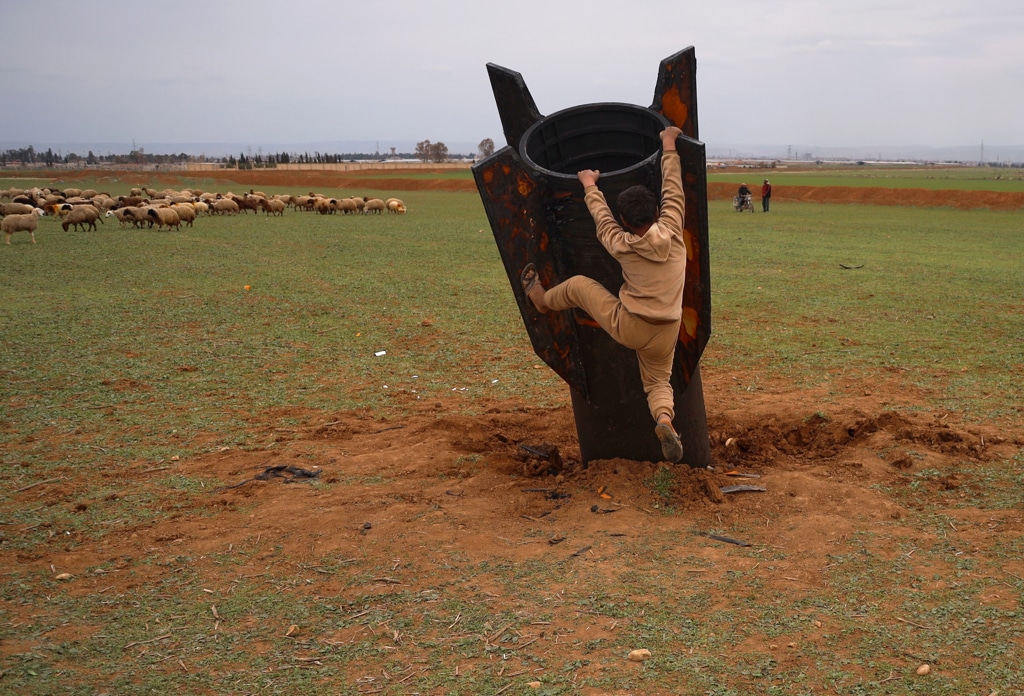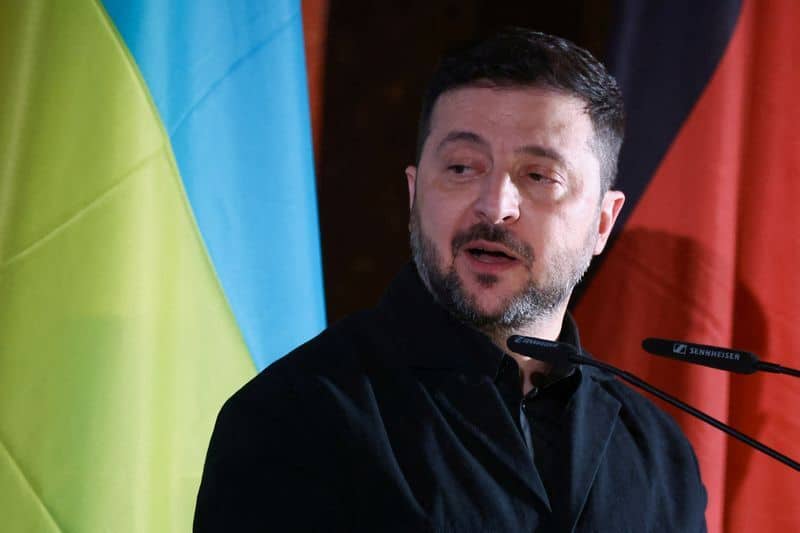
Feb 16 (Reuters) - President Volodymyr Zelenskiy said on Monday that Ukrainian intelligence showed more Russian attacks on energy targets lay ahead and that such strikes made it more difficult to reach an agreement on ending the nearly four-year war.
“Intelligence reports show that Russia is preparing further massive strikes against energy infrastructure so it is necessary to ensure that all air defence systems are properly configured,” Zelenskiy said in his nightly video address.
Ukrainian, Russian and American delegations are gathering in the Swiss city of Geneva for a third round of U.S.-brokered talks on Tuesday focused for the first time on the thorniest question of the war — the fate of Ukrainian territory occupied by Russia.
Zelenskiy said Russian attacks were “constantly evolving” and resorting to a combination of weapons, including drones and missiles, requiring “special defence and support from our partners”.
“Russia cannot resist the temptation of the final days of winter cold and wants to strike Ukrainians painfully,” he said. “Partners must understand this. First and foremost, this concerns the United States.”
Reuters was not able to immediately reach Russian officials for comment.
The head of Ukraine’s delegation, Rustem Umerov, said on Telegram that his team was already in Geneva looking forward “to constructive work and substantive meetings on security and humanitarian issues”.
Moscow wants Ukraine to cede the entirety of the Donbas area. The Kremlin confirmed that Vladimir Medinsky, an aide to President Vladimir Putin, would lead the Russian delegation.
“This time, the idea is to discuss a broader range of issues, including, in fact, the main ones. The main issues concern both the territories and everything else related to the demands we have put forward,” Kremlin spokesperson Dmitry Peskov told reporters.
Two earlier rounds of U.S.-backed talks in the United Arab Emirates led to a prisoner swap but no breakthrough toward a settlement.
(Reporting by Ron Popeski and Oleksandr Kozhukhar; Editing by Paul Simao and Lisa Shumaker)