By Portia Crowe and Ngouda Dione
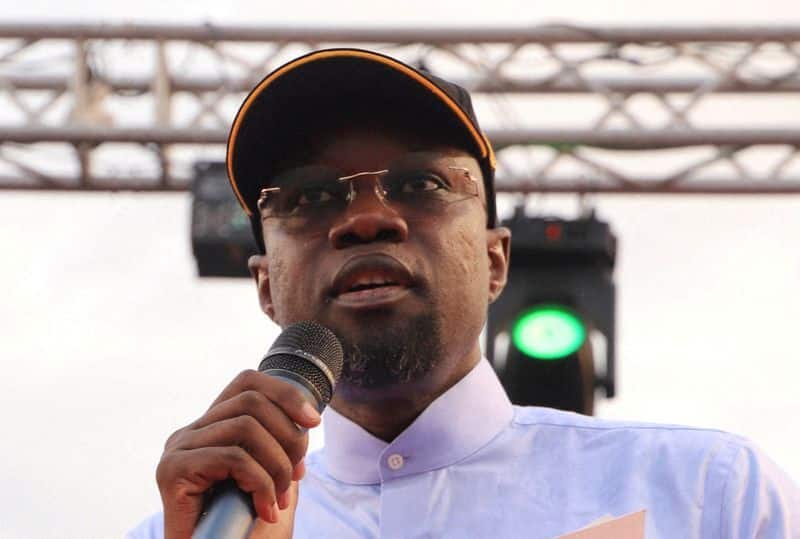
DAKAR, March 2 (Reuters) - Senegal’s Prime Minister Ousmane Sonko said he was willing to take his party out of the government and return to opposition if President Bassirou Diomaye Faye breaks from its vision amid rumours of a power struggle between the two party colleagues.
Tensions have been high in the West African country following violence at universities and long drawn-out talks with the International Monetary Fund as Senegal battles to raise cash and negotiate a new lending programme with the IMF.
The Fund froze a $1.8 billion programme in 2024 after Sonko’s government uncovered misreported debts by the previous administration that have been estimated at more than $11 billion.
Asked by a supporter about the relationship between the two men, Sonko said in a live broadcast on Sunday that the “debate” would be moot “if the president is aligned with his party”.
“If the president is not aligned with his party, even though we all govern together, we’re in what I call a ‘soft power-sharing’ situation,” he said. “We would manage our differences accordingly, and we would also seek common ground to move forward together.”
But if there is a clearer break, he said, they would either have a “more difficult cohabitation” or the Pastef party, which Sonko leads and which holds a majority in parliament, would revert to being an opposition party.
“Pastef has no problem with either of these options,” he said.
Sonko was a popular opponent under the previous administration. He was barred from running in the 2024 presidential election due to a legal conviction and chose little-known Faye, a longtime aide and Pastef member, as his replacement candidate.
Faye then appointed Sonko as prime minister.
Since then, signs of dissension have begun to appear between the two men. In November, their camps issued conflicting statements over the leadership of the ruling coalition.
That followed an announcement by Sonko that the IMF had proposed a debt restructuring, which he said Senegal would not accept. The comments sent the country’s international bonds sharply lower at the time.
Any suggestion of discord raises the possibility of further delays in negotiations with the IMF.
(Reporting by Portia Crowe and Ngouda Dione; Editing by Alison Williams)