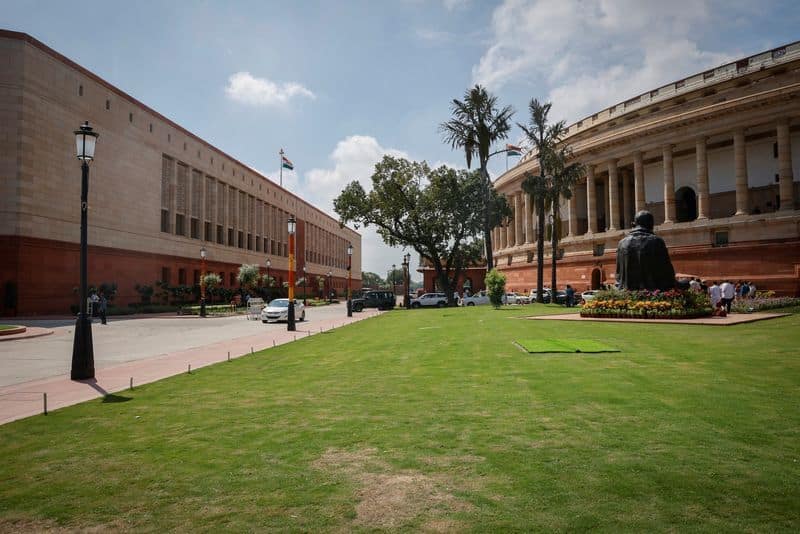
NEW DELHI, April 17 (Reuters) - An Indian government bill to expand assemblies that would have brought forward plans to reserve a third of the seats for women did not get enough votes to get through parliament on Friday, in a rare defeat for Prime Minister Narendra Modi.
Opposition groups said while they were in favour of quotas for women legislators, the linking of the plan to a mass redrawing of constituency boundaries was a government bid to manipulate the system and get more votes.
“The amendment bill has fallen. They used an unconstitutional trick in the name of women to break the Constitution,” opposition leader Rahul Gandhi said in a post on X, minutes after the bill failed to get through.
The government dismissed that accusation and said it would continue to campaign for women’s quotas. “The women of this country will not forgive you,” Interior Minister Amit Shah said in parliament, before the bill was put to a vote.
The government had argued the constituency changes were needed to reflect shifts in the population since seats were last fixed after a 1971 census.
The bill would have increased the number of lawmakers in the lower house by around 55% to 850 by the next parliamentary elections, due in 2029 - with a similar expansion of regional assemblies.
On Friday in parliament’s lower house, 298 lawmakers voted in favour and 230 against - far from the two-thirds majority needed for a bill that would have changed the constitution.
A one-third reservation for women had been agreed in legislation passed in 2023, but was then linked to the next census, which is still underway and would have taken the changes beyond the 2029 election.
India’s parliament does not currently reserve any seats for women, who constitute only 14% of the lawmakers in the lower house and 17% in the upper house.
About 10% of the lawmakers in the country’s state legislatures are women.
(Reporting by Shilpa Jamkhandikar, writing by Sakshi Dayal; Editing by YP Rajesh and Andrew Heavens)