By Daniel Trotta
April 1 (Reuters) - Local officials in upstate New York on Wednesday ruled the death of a nearly blind refugee from Myanmar as a homicide, after he had gone missing for several days upon being released from jail and into the custody of the U.S. Border Patrol.
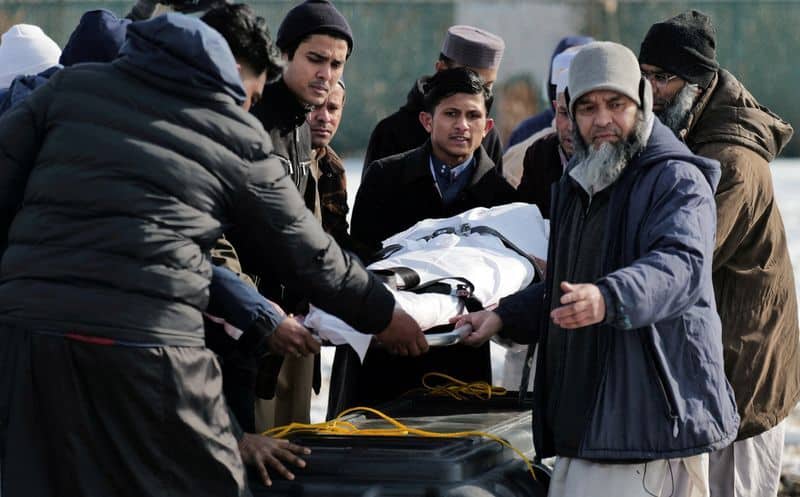
Nurul Amin Shah Alam, 56, was found dead on a downtown Buffalo street in freezing cold weather in February. Shah Alam, from a family of Arakan Rohingya refugees, did not speak English and walked with a cane.
His death raised concerns and prompted outrage about the treatment of immigrants in President Donald Trump’s immigration crackdown. Apart from Shah Alam’s case, at least 14 people have died in immigration custody in 2026.
The Erie County Medical Examiner’s office reported the manner of death was homicide, with the cause being determined as complications of a perforated duodenal ulcer precipitated by hypothermia and dehydration. Homicide could result from negligence or omission and the designation does not imply intent, the medical examiner said in a statement.
New York Attorney General Letitia James said her office would continue to review the “circumstances and treatment” that led to his death.
“Mr. Shah Alam fled genocide to build a life in this country. Instead, he was abandoned and left to suffer alone in his final hours,” James said in a statement.
U.S. Border Patrol agents dropped him off at a coffee shop following his release from jail, where he had spent much of the last year awaiting trial on criminal charges that resulted in a misdemeanor plea deal.
At the time, Buffalo Mayor Sean Ryan, a Democrat, said his death was preventable and the result of “inhumane” decision-making by federal immigration authorities.
But the Department of Homeland Security said on X at the time the death had “nothing to do” with the Border Patrol and called the story “another hoax being peddled by the media and sanctuary politicians to demonize our law enforcement.”
DHS, the parent agency to the Border Patrol, said agents offered him a courtesy ride and he accepted being left at the coffee shop, which was “determined to be a warm, safe location near his last known address. … He showed no signs of distress, mobility issues or disabilities requiring special assistance.”
A DHS spokesperson declined to comment further on Wednesday.
(Reporting by Daniel Trotta in Carlsbad, California; Editing by Aurora Ellis)