By Emma Farge
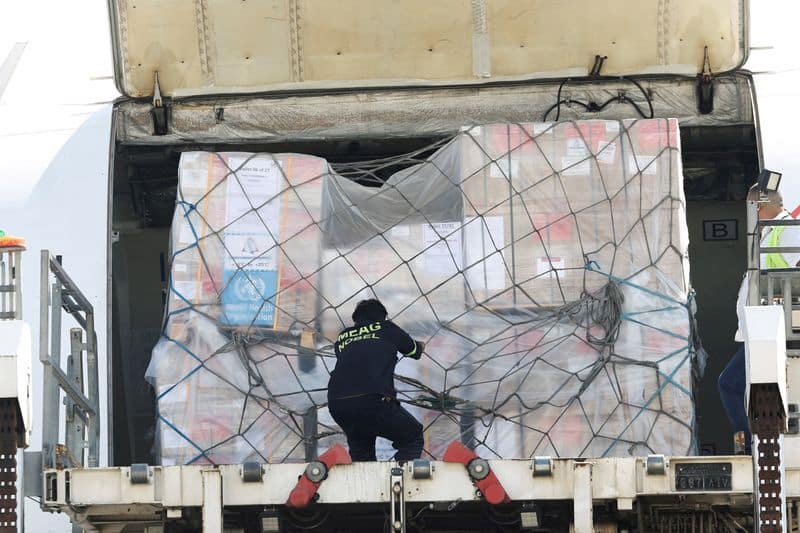
GENEVA, March 26 (Reuters) - The World Health Organization is finding other routes to deliver emergency medical supplies from its Dubai hub to crises such as Lebanon via long overland journeys, an official said, but rising fuel costs could hamper shipments if the Iran war persists.
The global health body’s aid shipments from the United Arab Emirates were previously completely frozen as air, sea and land routes were restricted by the Iran conflict, which began on February 28 with U.S.-Israeli air strikes.
Iran responded by firing drones and missiles at energy and other infrastructure across the Gulf, while militant group Hezbollah pulled Lebanon into the regional war by firing on Israel in support of its patron Iran.
To tackle the shipment problems, the UAE has provided funding to truck supplies like insulin and emergency kits to Lebanon - where over 3,000 people have been wounded - via Saudi Arabia, Jordan and Syria as well as funding to charter flights to other hotspots like Kabul, Afghanistan, said the WHO official.
“What you’re getting is cost increases and lead time increases as we do the workarounds,” Paul Molinaro, WHO head of Operations, Support and Logistics, told Reuters on Thursday. A UAE official confirmed it was providing partners with support.
But Molinaro said the Dubai backlog has not completely cleared, citing smaller medical shipments that remain stranded. He said two shipping companies have waived insurance surcharges.
The International Federation of Red Cross and Red Crescent Societies said it planned to truck ambulances for Lebanon overland from Dubai but said road costs were up around 30% and there were border delays.
Asked about the risk of drug shortages, Molinaro said he was more concerned about oil price hikes leading to exhausted fuel stocks in poorer countries and aid stocks becoming stranded.
“You could be seeing serious issues 6 to 8 weeks down the line,” he said. “I think we’re going to feel that quicker than shortages of drugs and of plastics and of equipment.”
(Reporting by Emma Farge, Editing by William Maclean)