By Gopal Sharma
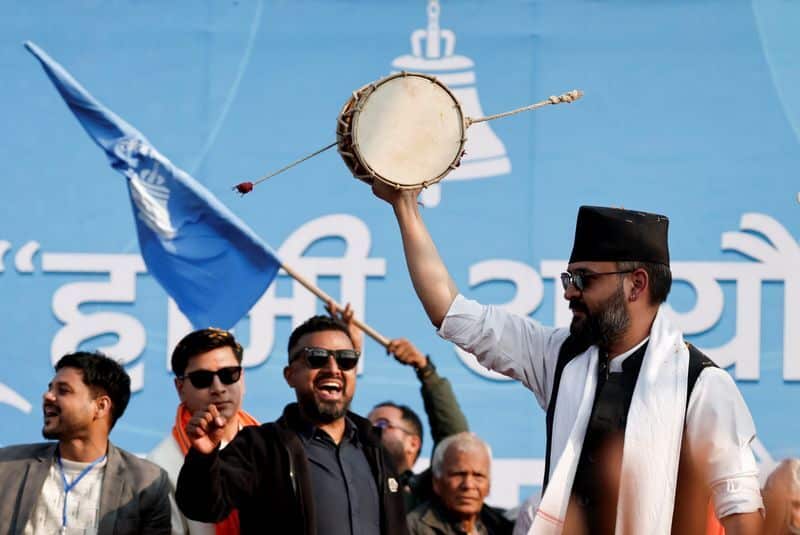
KATHMANDU, March 27 (Reuters) - Rapper-turned-politician Balendra Shah was sworn in as prime minister of Nepal on Friday, tasked with restoring political stability and creating jobs in the poor Himalayan nation long troubled by fragile governments and weak growth prospects.
Shah became prime minister after his three-year-old Rastriya Swatantra Party (RSP) won 182 seats in the 275-member parliament in the March 5 election, the first vote after the anti-corruption Gen Z protests in which 76 people were killed in September last year.
A former mayor of the capital, Kathmandu, Shah, 35, is Nepal’s youngest prime minister in decades and the first Madhesi – people of the southern plains bordering India – to lead the Himalayan nation that is wedged between Asian giants India and China.
Shah, who was wearing skin-tight trousers, a matching jacket, his signature black Nepali cloth cap and sunglasses, was sworn in at the President House in the presence of diplomats and senior government officials.
“The first test of the new government lies in transparent and prompt delivery of services to people, who expect early signs of good governance from Sunday itself,” political analyst Puranjan Acharya said. Sunday is a working day in Nepal.
Acharya said Shah’s early challenge is to implement the report of a panel that investigated the violence during the anti-corruption protests, a key demand of the families of the victims. The report recommended the prosecution of those responsible for the crackdown, including then Prime Minister K.P. Sharma Oli.
The youth-led protests were fuelled by a lack of jobs and endemic corruption in the country of 30 million people, where a fifth of the population lives in poverty and an estimated 1,500 people leave the country daily for work abroad.
Political instablity has been a bane, with 32 governments taking office since 1990 and none of them completing a five-year-term.
The Nepali Congress party, the country’s oldest party, became a distant second group in parliament with just 38 seats. The Communist Party of Nepal (Unified Marxist-Leninist) of Oli, who was forced to resign after the Gen Z unrest, controls 25 members.
Former Chief Justice Sushila Karki led the nation through the interim period through to the parliamentary election.
(Reporting by Gopal Sharma; Editing by YP Rajesh and Lincoln Feast.)