By Daria Sito-Sucic
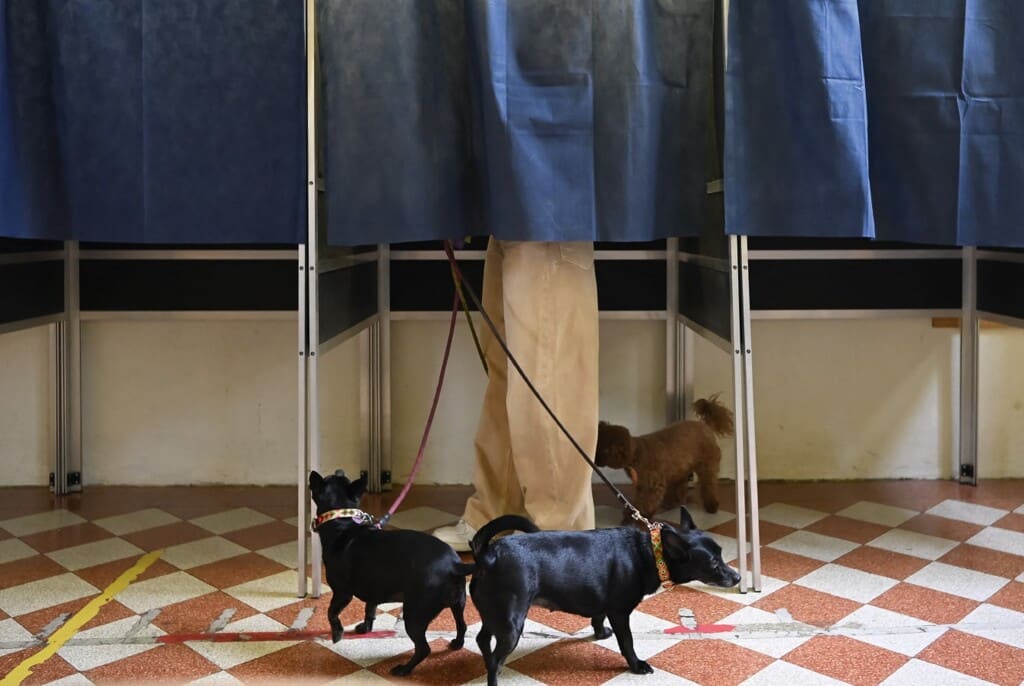
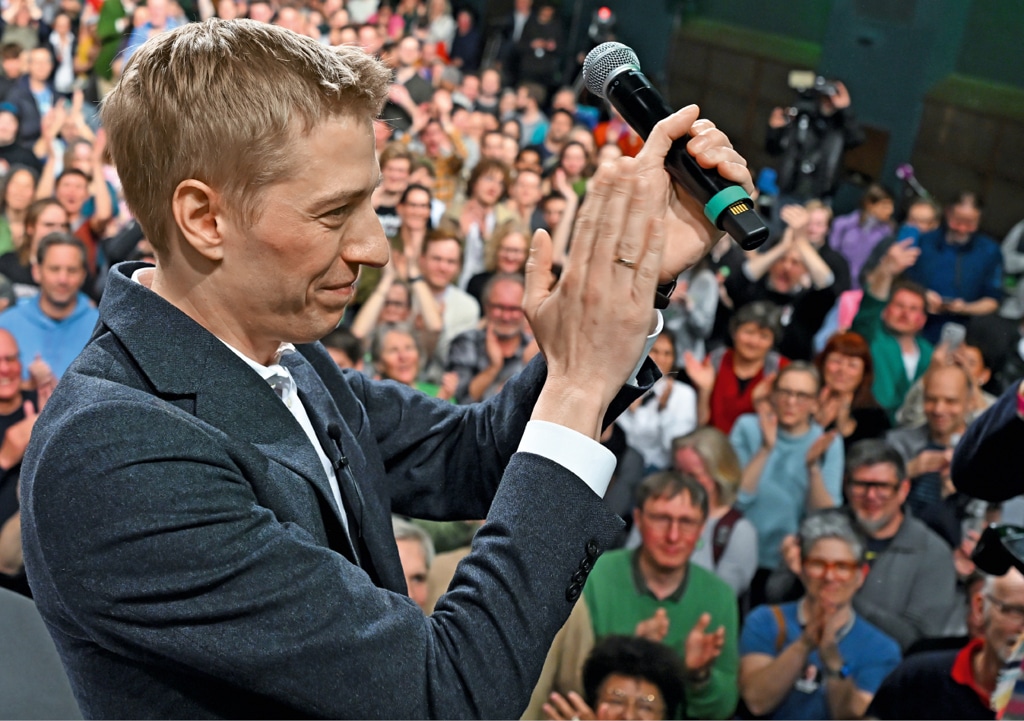
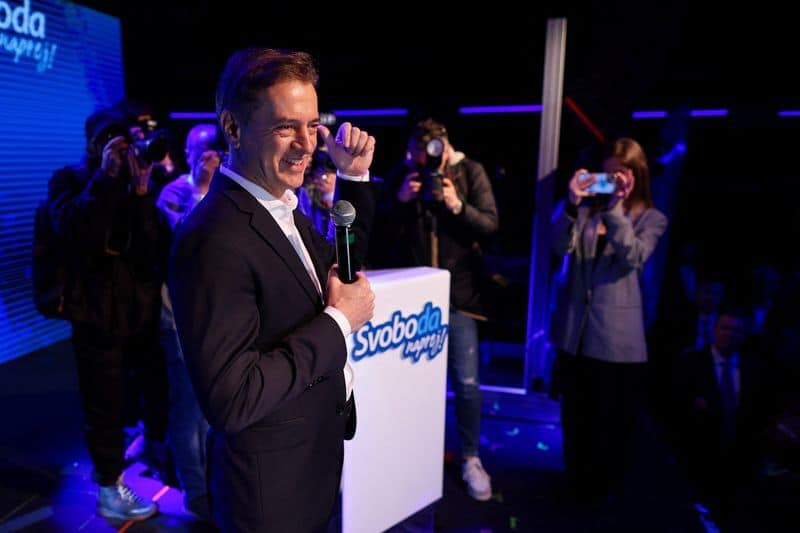
SARAJEVO, March 27 (Reuters) - Slovenia’s Prime Minister Robert Golob launched talks on a broad coalition with leaders of political parties on Friday after an inconclusive election, pledging urgent measures to help the Alpine country’s economy cope with soaring energy costs.
With nearly all of the votes in the March 22 election counted, Golob’s Freedom Movement (GS) has garnered 29 parliamentary seats, one more than the right-leaning Slovenian Democratic Party (SDS) led by populist ex-premier Janez Jansa.
Either needs coalition partners to secure a working majority in the 90‑seat parliament, making smaller parties potential kingmakers.
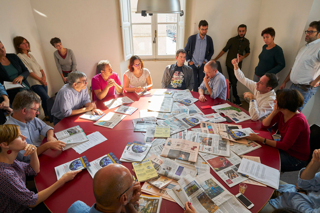
The incumbent Golob has invited the leaders of all parties that won parliamentary seats, except the SDS, to join the GS in a government of national unity at a difficult moment when Europe faces a new energy crisis due to the U.S.-Israeli war on Iran.
A grouping of three centre-right parties, whose programmes are close to the SDS’, rejected the invitation, saying they would try to form a centre-right coalition.
Parties that have supported the GS in the past would lift its parliamentary support to 40 seats, while SDS and its allies would have 43 seats, still three short of a majority. Jansa has said he will wait for the final results before starting coalition talks.
NEED OF URGENT ECONOMIC MEASURES
Golob said all who took part in the meeting had agreed to cooperate on preparing urgent intervention measures to protect agriculture and the wider economy, which he said were required in the wake of “the unwise attack on Iran, and as Europe is preparing for a major economic crisis”.
Slovenia already faces energy supply problems and was forced to temporarily limit fuel purchases at the pump due in part to stockpiling amid a surge in prices.
Participants of the meeting said they had agreed that the first priority policies of a future government should be measures to fight graft and stabilise the energy sector.
Slovenia under Golob has pursued pro-European policies focused on social reforms, aligning its foreign policy with European countries.
Jansa, an ally of Hungarian nationalist Prime Minister Viktor Orban and supporter of U.S. President Donald Trump, wants to introduce tax breaks for businesses, cut funding for welfare and media, as well as to shift the country’s international alignment.
The SDS has filed complaints with the electoral commission, requesting the repeat of early voting due to alleged irregularities, but the commission dismissed them on Friday.
The election drew international attention after Golob accused “foreign services” of interfering following a reported visit by Israeli private spy firm Black Cube officials to meet Jansa in December, which Golob called the “biggest scandal we have witnessed in Slovenia since independence”. Jansa has denied wrongdoing and said Golob was trying to cover up corruption in his own ranks.
(Reporting by Daria Sito-Sucic, editing by Andrei Khalip)