By Sergio Goncalves
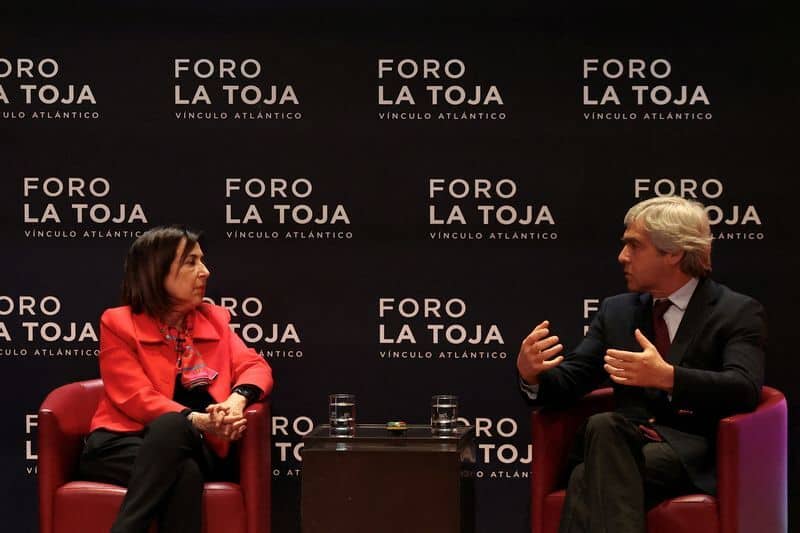
LISBON, April 15 (Reuters) - Portugal is against the creation of a separate European army and instead backs strengthening and modernising its armed forces within the U.S.-led NATO alliance, the country’s defence minister said, contrasting with neighbouring Spain’s position.
Nuno Melo said late on Tuesday that Portugal was a founding NATO member which valued the United States, describing Washington as a fundamental transatlantic partner.
“We’re not in favour of a single European army,” he told a parliamentary committee, adding that Portugal needed to invest in its armed forces to ensure that they were able to fulfil their assigned missions within NATO.
Amid doubts over U.S. President Donald Trump’s commitment to Europe’s security, Spain has urged the European Union to move towards creating a separate joint army as a deterrent.
NATO chief Mark Rutte has dismissed calls for a European army, arguing it would cost member states far more than the 5% of gross domestic product that NATO countries - except Spain - have agreed to spend on defence and related investments by 2035. Madrid said it could meet its commitments by spending 2.1% of GDP.
Melo said that Portugal increased its defence spending, under NATO criteria, to 6.12 billion euros ($7.22 billion) - or 2% of GDP - in 2025, four years ahead of the original schedule. In 2024, spending was around 4.5 billion euros, or 1.58% of GDP.
Spain also reached its target of 2% of GDP last year, spending 33.5 billion euros - a 44.5% increase from 2024.
Portugal has applied for 5.8 billion euros in low‑cost EU loans to strengthen its armed forces, Melo said. The new equipment including frigates, armoured vehicles, satellites and drones was set to be delivered by 2030, “if all goes well”, he added.
The programme, known as Security Action for Europe (SAFE), is a 150 billion euro EU initiative aimed at reinforcing defence capabilities, closing critical gaps and jointly procuring equipment to counter potential threats to the bloc.
($1 = 0.8477 euros)
(Reporting by Sergio Goncalves; Editing by David Latona)