By Ruma Paul
DHAKA, April 15 (Reuters) - A Rohingya survivor has recounted a harrowing journey at sea after an overcrowded boat carrying refugees and Bangladeshi nationals capsized in the Andaman Sea, leaving around 250 people missing.
The boat, which departed from Teknaf in southern Bangladesh and was bound for Malaysia, sank in the second week of April amid rough seas, strong winds and severe overcrowding, the United Nations’ refugee and migration agencies said.
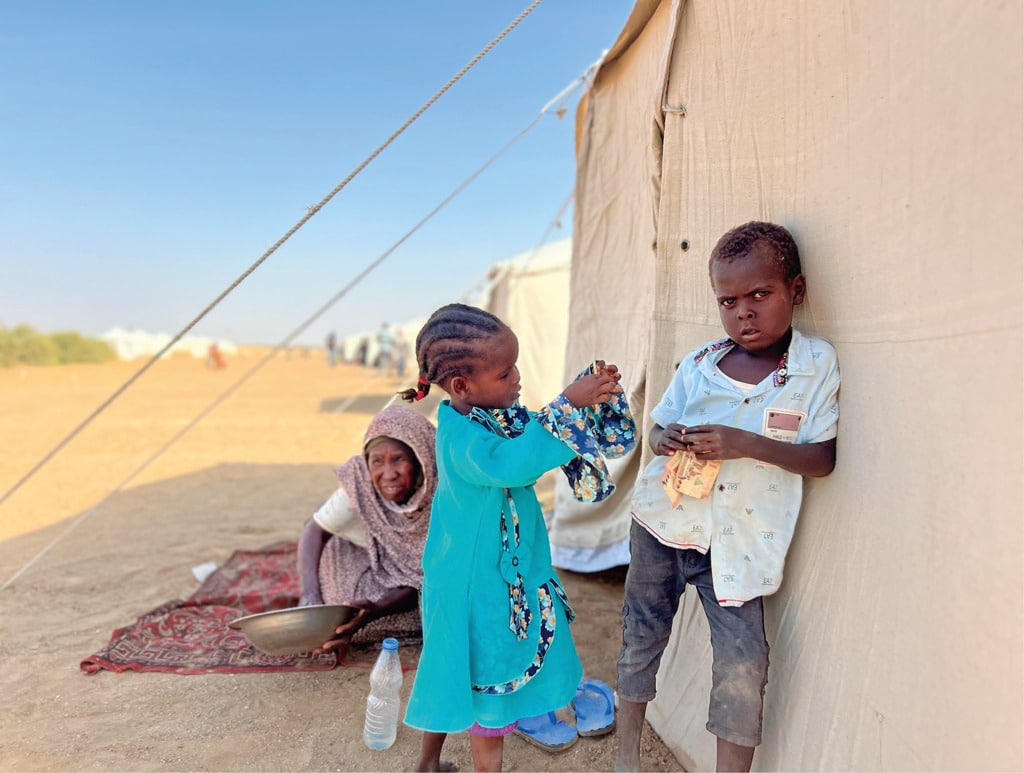
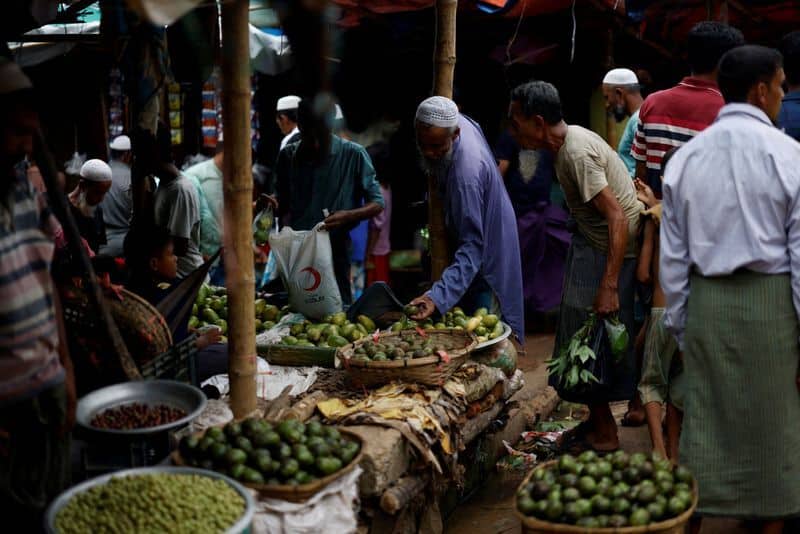
Bangladesh hosts around 1.2 million Rohingya refugees in camps in the south, most of whom fled violence in Myanmar in 2017. Many continue to attempt dangerous sea journeys in search of safety and livelihoods abroad.
Survivors said nearly 300 people were packed onboard, including women, children, crew members and suspected traffickers.
Rafiqul Islam, one of the survivors, said passengers endured four days and nights at sea as conditions rapidly deteriorated. In an attempt to avoid patrols, traffickers forced passengers into cramped storage compartments meant for fish and nets.
“There was hardly any oxygen,” he told Reuters, adding that at least 30 people died from suffocation before the boat capsized. “We could not breathe.”
When the boat overturned, hundreds were thrown into the sea. Islam estimated that around 240 people were still onboard at the time, including about 20 women and several children. Only a handful survived.
Islam was among a small group who initially made it out alive. A passing Bangladeshi oil vessel rescued four survivors, who then alerted the crew to others still in the water.
“They later found five more people,” he said.
He described a dangerous, multi-stage journey that began on April 4, when passengers first left on a small fishing boat before being transferred to a larger trawler near Myanmar waters. At one point, they were forced to hide in bushes to avoid detection by patrols.
The tragedy highlights the desperation of Rohingya refugees, many of whom continue to risk perilous sea journeys to countries such as Malaysia, Indonesia and Thailand.
Aid agencies warn the situation is worsening as humanitarian support declines. A recent report by the International Rescue Committee (IRC), based on a survey of 500 households in Cox’s Bazar, found just 2% of Rohingya parents feel hopeful about their children’s future, compared with 84% among host communities.
With food rations reduced to as little as $7 per person per month, many families are resorting to extreme coping measures. Nearly 69% of refugee households report children dropping out of school, while half say their children have been forced into labour.
The IRC urged donors and authorities to shift from emergency aid to long-term solutions, warning that without sustained support, both refugees and host communities face deepening poverty and vulnerability.
(Reporting by Ruma Paul; Editing by Thomas Derpinghaus)