By Joey Roulette
HOUSTON, April 7 (Reuters) - The voyage of four astronauts to the far side of the moon has given the world a glimpse of America at its best, offering a respite from global despair and displeasure over U.S-led conflict, tariffs, and crumbling global institutions.
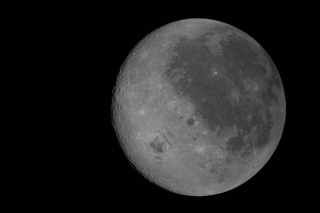
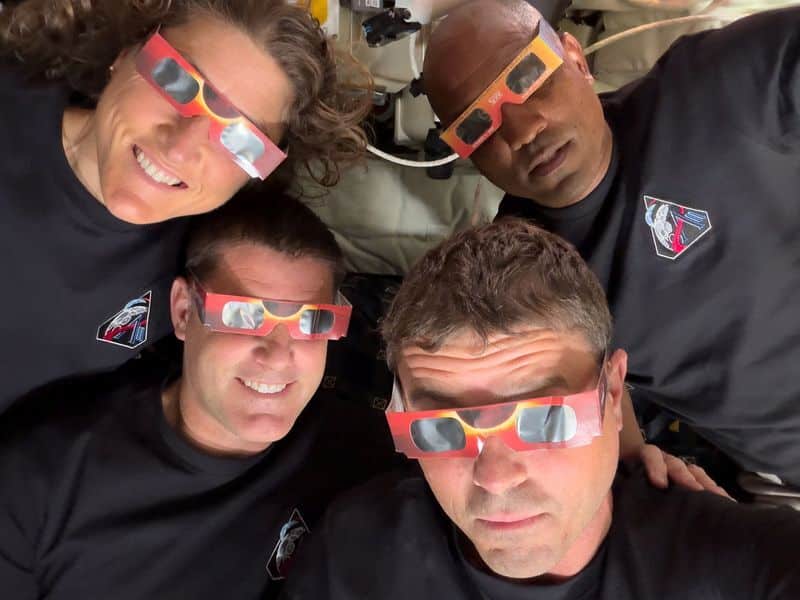
Through a carefully curated flow of high-quality photos, GoPro videos and other footage from NASA, the three American and one Canadian astronauts have provided real-time documentation of NASA’s 10-day Artemis II mission full of historic firsts.
The multibillion-dollar series of missions under the Artemis program aims to return astronauts to the moon’s surface by 2028 before China, and establish a long-term U.S. presence there over the next decade, building a moon base for potential future missions to Mars.
From a cruise ship in the Bahamas, to schools in Canada, viewers gathered to watch the historic lift-off. In Britain, children discussed the mission in school. It dominated Google search traffic for the last week, and mission videos ratcheted up millions of views.
Astronaut Victor Glover captured the rare moment of worldly harmony when he told Earthbound viewers in a transmission from space, “You look beautiful. And from up here you also look like one thing; Homo sapiens is all of us. No matter where you’re from or what you look like — we’re all one people.”
‘WELCOME DISTRACTION’
The mission, a key test before the planned future moon landings, showed the world that the U.S. still has something positive to offer at a time when its government is facing criticism for its strikes with Israel on Iran, which have killed thousands, driven up energy prices, and risked regional escalation.
Trump on Tuesday threatened that ”a whole civilization will die tonight”, with Iran showing no sign of accepting his ultimatum to open the Strait of Hormuz by Tuesday evening.
“At a time when hell is basically being unleashed here on planet Earth, it’s a welcome distraction to look up in the heavens - at a time of contemplation at Easter - and understand that perhaps humans are still capable of doing great things,” said Ben English, editor of Sydney’s Daily Telegraph, in a post on Instagram.
“The news story of Artemis 2 is breaking through,” said former NASA administrator Bill Nelson, noting “this is something that the world can come together and unite (around).”
News outlets including Qatar’s Al Jazeera, the BBC, Spain’s El Pais and Canada’s Globe and Mail ran photos of the April 1 launch on the front page of their websites, while the Toronto-based newspaper also ran an analysis headlined: “Artemis II and Iran: Two strikingly different missions define the U.S.”
Students gathered at the University of Toronto to watch the launch, with cheers breaking out as the rocket lifted off. Jeremy Hansen, a 50-year-old Royal Canadian Air Force colonel, is the first Canadian — and the first non-U.S. citizen — to fly on a lunar mission.
The mission coincides with tense trade relations between the two countries after President Donald Trump raised tariffs on Canadian goods and in the wake of him repeatedly suggesting that Canada consider becoming the 51st state.
Speaking to the astronauts through mission control communications on Monday night, Trump lauded Hansen and said he had spoken to Canadian Prime Minister Mark Carney and Canadian ice hockey star Wayne Gretzky, saying “They are so proud of you, and you have a lot of courage.”
SOCIAL MEDIA PLAYS ITS PART
The world watched, commented and hit the “like” button as the astronauts traveled the furthest distance ever from Earth in the Orion spacecraft, a capsule only slightly larger than an SUV. Now on their journey back home, the crew is set to splash down in the Pacific Ocean on Friday.
NASA’s social media team played its part, employing an informal tone as it sought to appeal to a wide audience.
“New photos from space dropping NOW,” the space agency wrote with enthusiasm unusual for a staid government entity, as it issued close-ups of the moon and images of astronauts exercising and batting a ball back and forth.
The internet reacted to toilet problems in the space capsule with a flurry of memes, including a mock-up of Secretary of State Marco Rubio in a spacesuit, plunger in hand.
When asked about people’s fixation on the toilet woes — since fixed — Artemis II mission management chair John Honeycutt said, “Everybody knows how important that is to us here on Earth, and it’s harder to manage in space.”
(Reporting by Joey Roulette and Chris Sanders; additional reporting by Kyaw Soe Oo in Toronto, Dawn Chmielewski in Los Angeles and William James in London; Editing by Rosalba O’Brien)