By Helen Coster, Andrew Hay and Steve Gorman
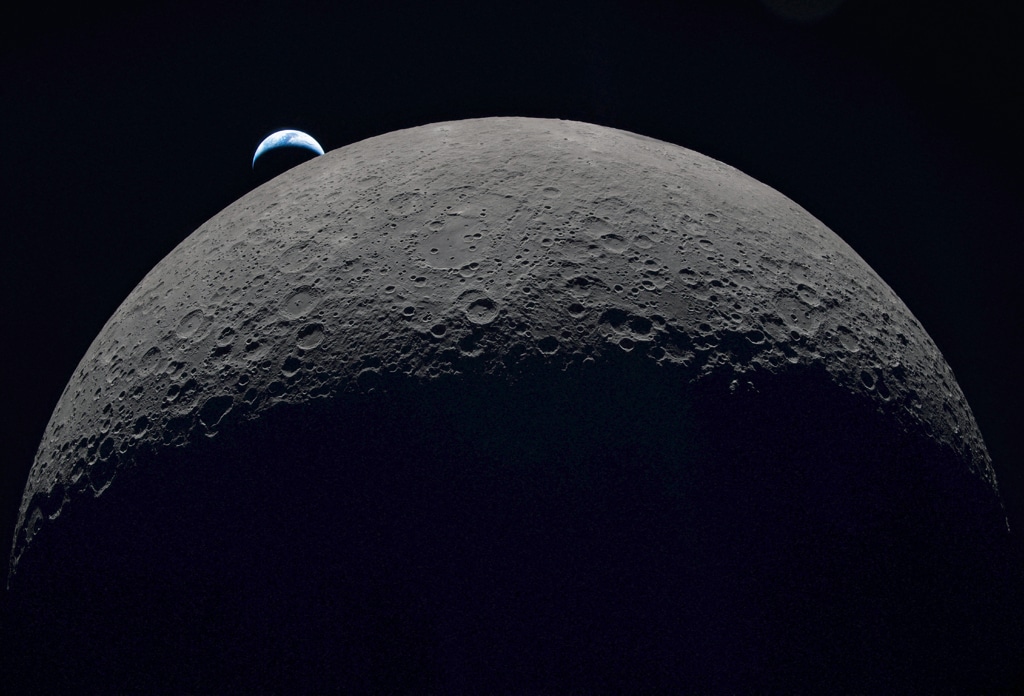
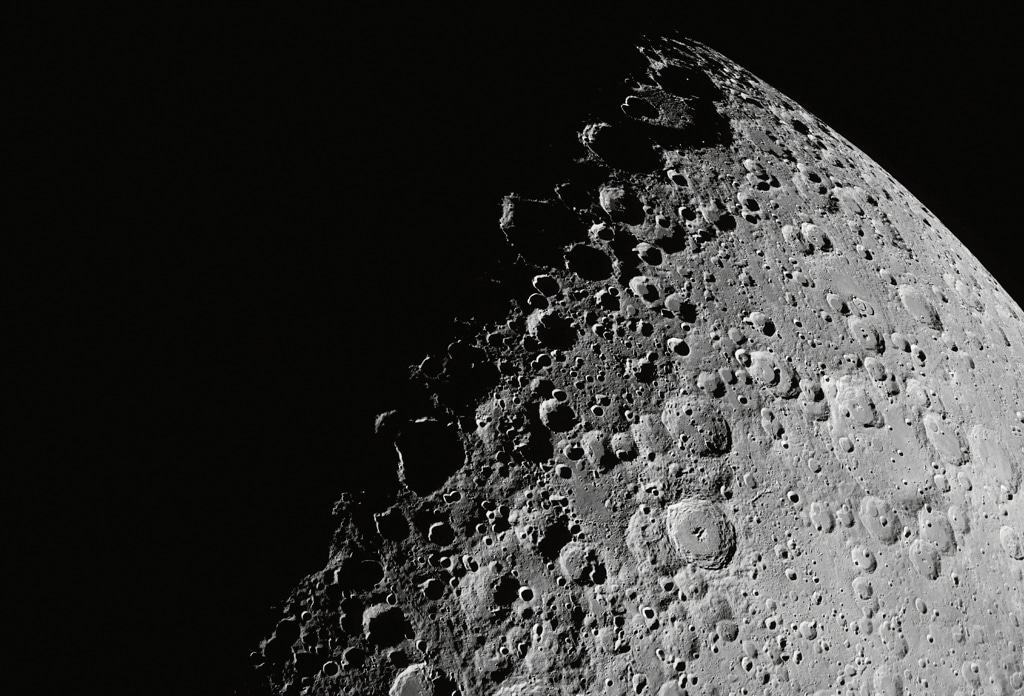
April 9 (Reuters) - NASA’s Artemis II mission, the world’s first astronaut voyage to the moon in over half a century, has captivated Americans young and old across political divides, bringing unity of wonder, hope and pride to a nation torn by partisan rancor and war.
From a profusion of rocket-launch watch parties and special classroom lessons on space, to a surge in planetarium visits and a retail boon in NASA- and Artemis-themed apparel, signs abound of public fascination with the four astronauts who flew to the far side of the moon.
The 10-day mission, a key dress rehearsal for a planned attempt later this decade to land astronauts on the moon for the first time since Apollo 17 in late 1972, is set to conclude on Friday with splashdown of the Artemis II crew in the Pacific Ocean off California.
The astronauts’ return to Earth is expected to be followed by the public and the media about as closely as the April 1 launch of their Orion capsule atop the towering Space Launch System rocket from Cape Canaveral, Florida.
“Everyone can be excited about humans extending their capabilities, learning new things, and doing so in a positive, peaceful way,” said Gaza Gyuk, senior astronomer at Chicago’s Adler Planetarium, where he said hundreds of visitors have flocked to watch the Artemis launch and learn about the mission.
Home-grown infatuation with Artemis, the successor to NASA’s Cold War-era Apollo moon program of the 1960s and ’70s, was reflected in polling data.
Some 69% of Americans say they get excited about space exploration, and about 80% expressed a favorable view of NASA, including large majorities of both Republicans and Democrats, according to a three-day Reuters/Ipsos poll conducted during the Artemis II mission. Likewise, 69% of respondents said it was important to return astronauts to the moon.
As was the case during the Apollo program, NASA’s latest lunar ambitions are being pursued at a time of political and social upheaval, including a U.S. military conflict that has proven unpopular at home.
The tumult may help explain the appeal of Artemis as both a welcome distraction from the grind of political news many find disturbing, and as an affirmation of U.S. scientific and technical accomplishment.
SPACESUITS AND SOCKS
Cashing in on the lunar enthusiasm, retailers and independent creators were offering Artemis-related merchandise ranging from officially licensed NASA apparel to custom accessories inspired by the mission.
One company called Rock ‘Em Socks was selling Artemis II socks for $14.99 a pair, emblazoned with the SLS rocket against a starry night sky.
NASA was selling assorted Artemis-themed items, including an “I AM ARTEMIS” baseball hat, a mission pin, a women’s bomber jacket and playing cards.
On the e-commerce site Etsy, space enthusiasts could buy Artemis II keychains, posters, canvas art and $135 made-to-order “dangle and drop” 3D-printed earrings inspired by the gumdrop-shaped Orion space capsule.
In the Philadelphia suburb of Elkins Park, astronomy enthusiast Hector Ybe, 38, gathered about 225 people, including families with children, for an Artemis launch party last week.
“For two hours, everybody forgot what was happening outside in the world, everybody was talking about space,” he said, adding that participants represented a variety of ethnic, religious and racial backgrounds.
Young children dressed in spacesuit outfits marveled at the launch while an older generation recalled watching the first moon landing in 1969.
‘IN THIS TOGETHER’ IMAGES
The mission has offered a counterpoint to the view of many Americans that fact-based science has come under attack, or that technology - such as artificial intelligence and social media - is to be distrusted, even feared.
Gyuk pointed to new images of Earth captured by the Artemis crew from space showing oceans and land masses without boundaries, a reminder of humanity’s commonality.
“That helps people sort of realize that we’re all in this together,” he said.
Educators across the country have been incorporating the Artemis mission into their lesson plans.
At the STEM Lab public school in Northglenn, Colorado, engineering teacher Erin Brabant decorated a hallway with posters of the SLS rocket, astronauts and a mission timeline, and assigned students to build models of their own lunar landers.
“When we talk about Artemis, it’s like every kid stops what they’re doing,” Brabant said. “Their little side conversations stop, and they have questions.”
The diversity of the Artemis crew - pilot Victor Glover is the first Black astronaut and mission specialist Christina Koch the first woman ever sent to the moon - also has inspired students of color and girls who may want to pursue engineering careers, Brabant said.
Last week in Pilot Mountain, North Carolina, 15 Girl Scouts ranging in age from 5 to 11 watched the launch live at their troop meeting.
They had been working on presentations about famous Girl Scouts for Women’s History Month, and the launch drew their attention to Koch, a former Girl Scout herself, according to Heather Willard, the troop’s leader.
“All of the girls were mesmerized,” Willard said.
(Reporting by Helen Coster in New York and Andrew Hay in Taos, New Mexico; Writing and additional reporting by Steve Gorman in Los Angeles; Additional reporting by Jason Lange in Washington; Editing by Paul Thomasch and Bill Berkrot)